


When to Prune Fruit Trees in BC: Apple, Pear, Plum & Cherry
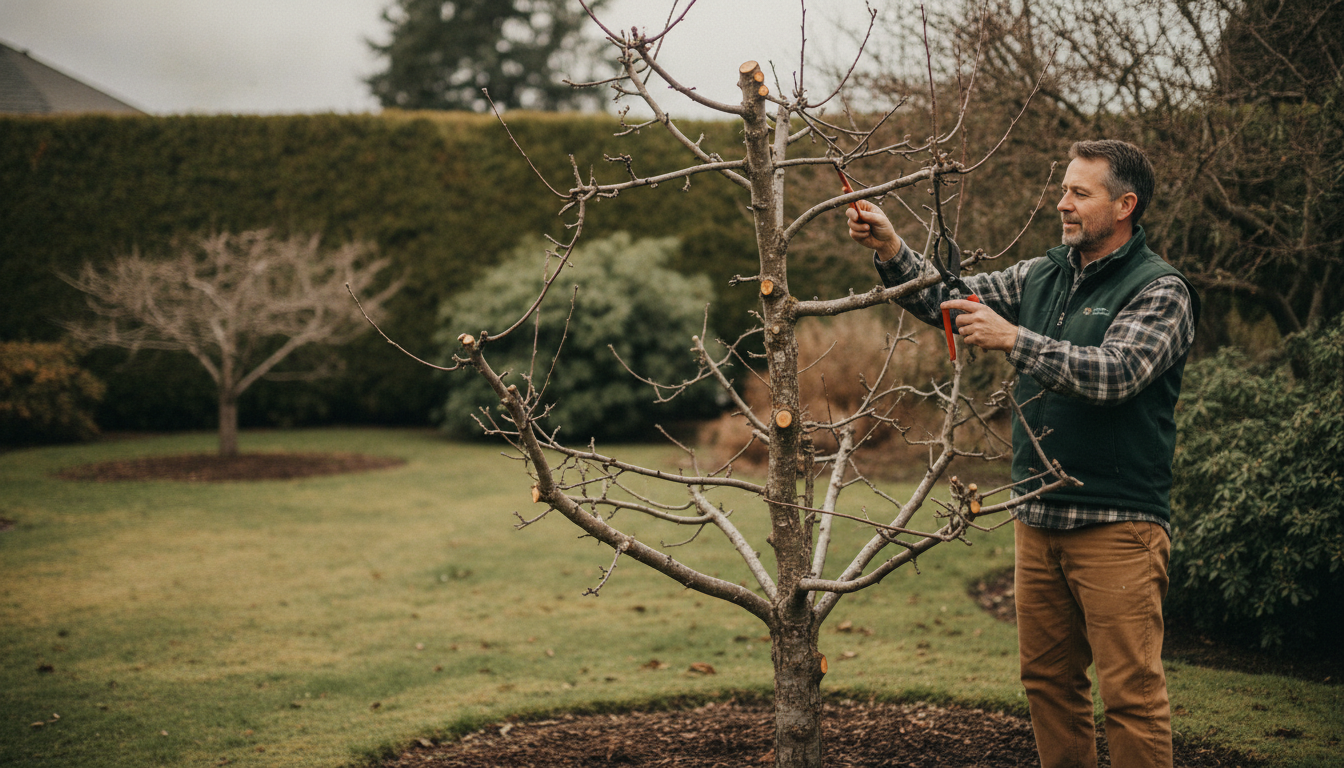
Quick answer: Prune apples and pears in the dormant season, from late winter to just before buds swell. Prune plums and cherries in summer, after harvest and in dry weather, to reduce the risk of silver leaf and bacterial canker. These are general BC guidelines; coastal and interior timing differ.
Pruning calendar by fruit type
Different fruit trees heal and get infected at different times, so the best month depends on the tree. This table covers the four most common backyard fruit trees in BC.
FruitBest window (BC coast)NotesAppleDormant: about January to March, before buds swell. Light summer pruning in July-August is optional.Winter pruning is the main job; summer thinning controls vigour. Details in our apple pruning guide.PearDormant: about January to March, before buds swell.Prune on dry days. Remove any fire-blight damage in dry weather and disinfect tools.PlumSummer, after harvest, in dry weather: about July to August.Avoid pruning in winter and wet weather; this lowers the risk of silver leaf and bacterial canker.Cherry (sweet and sour)Summer, after harvest, in dry weather: about July to August.Cherries resent heavy pruning. Keep cuts small and remove only what you must.
Dormant pruning vs summer pruning
Dormant pruning (winter) is when the tree has dropped its leaves and is not actively growing. You can see the branch structure clearly, and cuts made now push strong growth in spring. It suits apples and pears.
Summer pruning happens after harvest or in mid-summer. It slows growth, lets light into the canopy and, for stone fruit, avoids the wet weather when disease spores spread. It suits plums and cherries, and it can also be used for light apple thinning.
Coast vs interior BC
- Coast (Campbell River, Comox Valley): mild, wet winters. Aim for dry spells and avoid pruning in prolonged rain. Disease pressure from wet weather is higher, so tool hygiene matters.
- Interior: colder winters. Wait until after the hardest cold has passed in late winter, since very cold wood is brittle and heals poorly.
- In both regions, a dry day with moderate temperatures is better than a wet or frozen one.
Why stone fruit is different
Plums, cherries, apricots and peaches are stone fruit. They are prone to silver leaf and bacterial canker, and fungal and bacterial spores spread more easily in wet winter weather through fresh pruning wounds. That is why stone fruit is usually pruned in summer instead of winter. Pome fruit (apples and pears) is more tolerant of dormant-season cuts.
Basic rules for every fruit tree
- Use clean, sharp tools, and wipe the blades between trees.
- Remove dead, damaged and diseased wood first.
- Do not remove more than about a quarter of the canopy in one year.
- Make cuts at the branch collar; do not leave stubs.
- Avoid pruning in fall, when wounds heal slowly.
- Not sure about a tree? See DIY or hire a pro.
Apple trees: what to expect
Apples are forgiving. Most backyard apples respond well to a winter prune that removes dead and crowded wood and lets light into the canopy. Fruit forms on short spurs along older branches, so avoid stripping the inside of the tree. Summer thinning in July or August can control vigour, but it is optional. See apple tree pruning in BC month by month for the full calendar.
Pear trees: watch for fire blight
Pears prune like apples but are more vulnerable to fire blight, a bacterial disease that scorches shoots so they look burned. If you see it, cut well below the visible damage (often about 30 cm or 12 in into healthy wood), do it in dry weather, and disinfect your tools after every cut. Burn or bag the cuttings rather than composting them. [VERIFY BEFORE PUBLISHING: arborist to confirm fire blight advice]
Plum trees: prune in summer
Plums are best pruned in summer, after harvest and in dry weather, when the tree is actively growing and heals quickly. Winter wounds on plums stay open longer in wet weather, which gives silver leaf and bacterial canker a way in. Keep cuts small, remove any dead or silver-leaf-affected branches promptly, and do not prune in the rain.
Cherry trees: prune lightly, after harvest
Cherries are even more sensitive than plums. Prune after harvest in dry weather, and do as little as you can: remove dead or broken wood, thin crowded shoots and cut back to a strong side branch. Avoid winter pruning altogether.
Signs a fruit tree needs pruning
- Branches crossing and rubbing, creating wounds
- A dense canopy where little light reaches the centre
- Dead, broken or diseased wood
- Fruit only at the top, out of reach
- Many vertical water sprouts
- Small, poorly coloured fruit from shading
Keep a simple pruning log
Note the date, the tree and what you removed. Over a few seasons you will see how each tree responds, and you will avoid repeating a heavy prune. Take a photo before and after; it also helps a pro quote accurately. If you decide to hire, see DIY or hire a pro.
FAQ
When should I prune apple trees in BC?
Prune apples in the dormant season, from late winter before buds swell. Light summer thinning is optional.
When should I prune plum and cherry trees?
Prune them in summer after harvest, in dry weather, to lower the risk of silver leaf and bacterial canker.
Can I prune fruit trees in fall?
It is best avoided, because wounds heal slowly in cool, wet weather. Remove dead or hazardous wood any time, and save everything else for the right window. See can you prune fruit trees in winter.
Is timing different on the coast and in the interior?
Yes. Coastal gardeners should work around wet weather, and interior gardeners should wait until the hardest cold has passed in late winter.
Should I hire someone to prune?
If the tree is tall, old or near power lines, yes. Read DIY or hire a pro.
Why are plums and cherries pruned in summer?
Dry summer weather helps cuts heal and lowers the risk of silver leaf and bacterial canker, which spread more easily in wet winter conditions.
What is fire blight and how do I prune for it?
It is a bacterial disease of pears and apples that scorches shoots. Prune well below the damage in dry weather, and disinfect tools between cuts.
Can I prune pears and apples at the same time?
Yes. Both are generally pruned in the dormant season.
Need help pruning at the right time?
Book your pruning before the busy season. We will review your trees and send a clear written quote.
Get a Pruning Quote | Call 250-580-1992 | Email
READY TO TRANSFORM YOUR GARDEN?
Relates Articles
Real landscaping advice from our team—seasonal tips, project ideas, and maintenance wisdom earned over 30 years on Vancouver Island.