


When to Prune Apple Tree in BC: Definitive Month-by-Month Guide
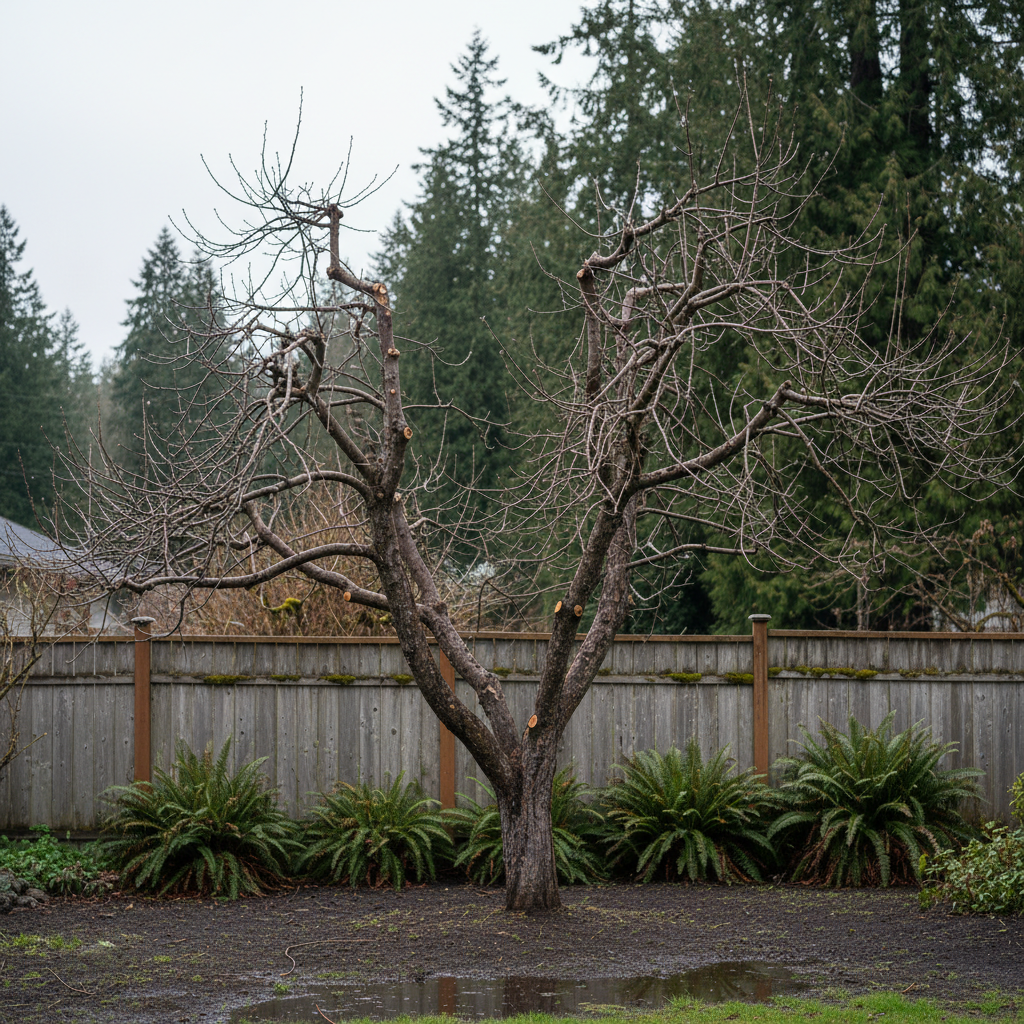
When to Prune Apple Tree in BC: Definitive Month-by-Month Guide
Last March, several Campbell River homeowners pruned their apple trees after a warm week in February-only to lose every bud to a late frost. What felt like spring was actually a false start. This happens often on Vancouver Island. Sudden warm spells, coastal frosts, and changing weather between islands and valleys make pruning timing critical. Generic guides from other regions, like Ontario, do not account for these conditions and can lead to lost fruit. This guide removes the guesswork with a simple, month-by-month pruning schedule built for BC's microclimates. You will learn when to prune based on where you live and how to spot false springs, so you can protect your trees and your harvest.
Understanding When to Prune Apple Trees in BC: Why Timing Matters on Vancouver Island
Knowing when to prune apple trees in BC often starts with a common mistake. Many Vancouver Island homeowners follow pruning advice meant for the Okanagan or Ontario. Then they are surprised when a late frost hits just as buds appear-or when wet spring weather leads to disease like fire blight after pruning.
The issue is simple: generic advice does not match Vancouver Island's climate. Here, your local microclimate matters far more than most people realize.
Vancouver Island creates three unique pruning challenges. Coastal areas like Quadra and Cortes Islands stay mild, and trees there may be ready for pruning as early as February. Interior valleys near Comox are colder, with hard frosts that can damage new growth well into April. Campbell River falls between these extremes, making timing especially tricky.
False springs add another layer of risk. A warm spell can trick trees into waking up early, only for cold weather to return and damage tender growth. Combined with our wet springs, pruning at the wrong time does not just slow healing-it can invite serious disease.
This guide removes the confusion. It breaks pruning down month by month, based on real Vancouver Island conditions and your specific microclimate. By the end, you will know exactly when to prune-and when waiting is the smarter choice.
What Month Is the Best Month to Prune Apple Trees in BC?
Late winter, while the tree is still dormant, is the best time to prune apple trees on Vancouver Island. For most areas, this means **mid-February through March**, but the exact timing depends on where you live. Mild coastal areas can often start in **early February**, while colder interior valleys should wait until **late March**.
A good rule of thumb is to watch the weather. Prune when hard frosts are likely **two to three weeks away**, but **before buds start to grow**. Avoid pruning during heavy rain, as wet conditions increase the risk of disease.
Dormant pruning works because the tree is resting. It is not actively moving energy through its branches, so cuts heal more easily and the tree experiences less stress. When spring arrives, the tree can focus on healthy new growth instead of trying to recover from fresh wounds. For apple trees, this leads to stronger branches and better fruit production later in the season.
Keep in mind that "late winter" does not mean the same date everywhere on Vancouver Island. Ocean influence, elevation, and wind all affect when a tree truly wakes up. Paying attention to your local conditions-not just the calendar-is the key to pruning at the right time.
Coastal Areas: Quadra Island, Cortes, and Mild Zones
If you live in a coastal area, the maritime climate works in your favor. Winters are milder and the risk of hard frost is lower, which means you can usually start pruning **earlier than most parts of Vancouver Island**.
For many coastal apple trees,early February is often a safe window. The nearby ocean helps keep nighttime temperatures from dropping too low. Even so, cold snaps can still happen, so it is important to check the forecast. Try to prune when daytime temperatures stay above 5°C.
Your tree will also tell you when it is safe. As long as the buds are tight and gray, pruning is fine. Once the buds begin to swell and turn green, it is time to stop. At that point, active growth has started, and pruning becomes riskier. In damp coastal air, cutting too late can increase the chance of disease spreading.
Interior Valleys: Comox Valley and Colder Microclimates
If you live in the Comox Valley or another inland area at a higher elevation, patience is essential. These areas stay colder longer, with frost often lasting into mid or late April. Because of this, apple trees remain dormant longer than they do near the coast.
Pruning too early in these areas exposes fresh cuts to weeks of frost, which slows healing and increases the risk of disease. A safer window is usually late February through late March, but the calendar alone is not enough.
Pay close attention to your local frost forecasts. Only prune when you are confident that hard frosts are at least two to three weeks away. Watch the buds as well-once they change from tight and gray to swollen and showing green, stop pruning right away. That is the sign the tree is waking up, and pruning at that point can cause more harm than good.
Transition Zones: Campbell River and Mid-Island Areas
Campbell River and similar mid-island areas fall between the mild coast and the colder inland valleys. This makes pruning timing less predictable. You watch for the same bud changes as everyone else, but your frost risk can linger longer and change quickly.
For most years, mid-February through mid-March is the safest window. Still, do not rely only on dates. Your actual weather conditions matter more than the calendar.
Check your five-day forecast before you prune. If a cold snap is expected within the next two weeks, wait. In cold, wet weather, pruning cuts heal slowly and stay open longer, which increases the risk of disease. Patience here helps protect your tree and your future harvest.
Month-by-Month Apple Tree Pruning Calendar for Vancouver Island
Each month has a specific role in apple tree care. Understanding what to do (and what not to do) in each season prevents the mistakes that create overgrown, diseased, or storm-damaged trees.
January-February: Planning and Early Window for Mildest Areas
January is for planning, not cutting. Use a dry day to walk your property and take a close look at your apple trees. Note any broken branches from winter storms, clearly dead wood, branches that cross or rub, and signs of disease like cankers or oozing sap. Taking a few photos helps you remember what needs attention when pruning time arrives.
Early February is when pruning can begin-but only in mild coastal areas like Quadra and Cortes Islands. If the buds are still tight and gray, and no hard frost is expected within the next three weeks, you can start light pruning or remove obvious dead wood. If you are in an interior or mid-island area, it is best to wait. Your trees are likely still fully dormant, and pruning too early can do more harm than good.
What to look for: Tight, gray buds; no hint of bud swell; daytime temps consistently above 5°C for at least a week.
March-April: Prime Pruning Season and False Spring Warnings
March is the main pruning window for most of Vancouver Island.This is the best time to handle larger pruning jobs-removing water sprouts and suckers, thinning crowded branches, and shaping the tree for healthy growth.
Be careful of false springs, which are common this time of year. A warm, sunny week can make it feel safe to prune, but buds may start to swell just before another cold snap arrives. Pruning right before bud break puts new growth at risk.
Do not prune just because the weather feels nice. Check the forecast and watch the buds closely. Once you see leaves starting to emerge, your pruning window is closing. At that point, stop pruning and plan to finish the rest of the work next winter.
Checklist for March-April:
- ✓ Coastal zones: Complete by March 15 before bud break
- ✓ Interior valleys: Wait until March 20+ when frost risk drops
- ✓ Vancouver Island rain rule: Delay 4 days after heavy rain to prevent fire blight
- ✓ Remove all dead wood first
- ✓ Take out crossing branches and water sprouts
- ✓ Check forecast for cold snaps before starting work
By late April, most Vancouver Island apple trees are actively leafing out. Pruning damage becomes visible immediately and disease risk spikes in warm, wet conditions. Stop heavy pruning by early April unless you're on the coldest interior sites.
May-October: Summer Maintenance and When NOT to Prune
From May through October, your apple tree is busy putting its energy into fruit and new growth. Heavy pruning during this time pulls energy away from fruit, slows recovery, and leaves the tree more vulnerable. On Vancouver Island, wet spring and early summer weather also creates ideal conditions for fire blight to enter fresh cuts. In fall, warm spells can trigger new growth that will be killed by the first frost.
Light pruning is fine when necessary. Remove a broken branch after a storm, or cut out a clearly diseased limb-always cutting below the damage and cleaning your tools. But avoid major "cleanup" pruning during summer. A slightly messy tree is healthier than one pruned at the wrong time.
Fall pruning is especially risky, particularly in September and October. Fresh cuts encourage new growth just when the tree should be preparing for winter. That soft growth dies in frost, leaving dead wood and open doors for disease. On Vancouver Island, waiting until late winter is almost always the safer choice.
.
November-December: Storm Damage Assessment Only
Winter storms are a normal part of life on Vancouver Island. December winds and occasional ice can break branches or split larger limbs. It is a good idea to inspect your apple trees after storms while sap flow is low.
Only remove what is truly necessary. Cut off branches that are clearly broken, hanging, or creating a safety risk. These should be dealt with right away. However, avoid the temptation to tidy up the entire tree.
If the damage is not dangerous, leave it alone for now. Major structural pruning is best done in late winter, when the tree is fully dormant and can heal more effectively. Acting selectively now and waiting to do the rest later protects the tree and leads to better long-term results.
Get Your Apple Trees on the Right Schedule
Pruning your apple trees at the right time turns messy, unproductive growth into strong branches and better fruit. In BC's climate, timing matters more than almost anywhere else. Late-winter pruning during dormancy, followed by light, careful summer maintenance, helps trees heal properly, produce more fruit, and stay healthier year after year.
Your local microclimate sets the schedule. Mild areas like Quadra Island may be ready in early February, while colder places like the Comox Valley often need to wait until late March. Mark your window, watch for false springs, and avoid pruning too early.
In the end, the difference between a struggling tree and a thriving one often comes down to a single decision-knowing when to make the cut. Get the timing right, and your trees will reward you for years to come.
Not sure where to start with your apple trees this season? Schedule a professional pruning assessment with our team at Dream Team Landscaping and get a custom pruning plan that fits your property's specific needs.
FAQ
Quick answers for BC homeowners who want cleaner cuts, healthier trees, and better fruit on Vancouver Island.
Q: When is the best month to prune apple trees in BC?
A: For most Vancouver Island properties, the best window is late winter to early spring, usually mid-February through March while trees are dormant. Coastal pockets can warm early, but timing should follow bud stage and frost risk, not just the calendar. If buds are swelling fast, your safe window is closing.
Q: Can you prune apple trees in summer?
A: You can do light corrective pruning in summer, like removing damaged or clearly diseased branches. Heavy structural pruning is better in late winter in BC, especially where damp weather raises disease pressure. Summer cuts should stay minimal and clean.
Q: What tools do you need to prune apple trees safely?
A: Use bypass hand pruners, loppers, and a sharp pruning saw for larger branches. Keep tools clean, sharp, and sized to the cut so you don't tear wood. On wet Vancouver Island days, good tool hygiene matters even more because moisture helps disease spread.
Q: How do you prevent disease spread when pruning?
A: Prune during dry weather when possible, and disinfect blades between trees and after removing suspect wood. Avoid major cutting during long rainy stretches common in coastal BC. Always remove and dispose of infected material instead of leaving it at the base of the tree.
Q: Should you prune a young apple tree differently?
A: Yes. Young trees need training cuts to build strong structure, not aggressive thinning. In BC, that usually means shaping a balanced framework early, then making smaller annual adjustments as the tree matures. Heavy cuts on a young tree can delay healthy fruiting.
Q: Is it too late to prune apple trees in March in BC?
A: Not usually, but it depends on your local microclimate and bud development. In cooler inland pockets around the Comox Valley, March is often still fine; in milder coastal spots, buds may already be moving. If leaves are opening, stop and wait for the next dormant season
READY TO TRANSFORM YOUR GARDEN?
Relates Articles
Real landscaping advice from our team—seasonal tips, project ideas, and maintenance wisdom earned over 30 years on Vancouver Island.