


Wind-Resistant Landscaping for Vancouver Island: Windbreaks, Plant Choices, and Garden Design
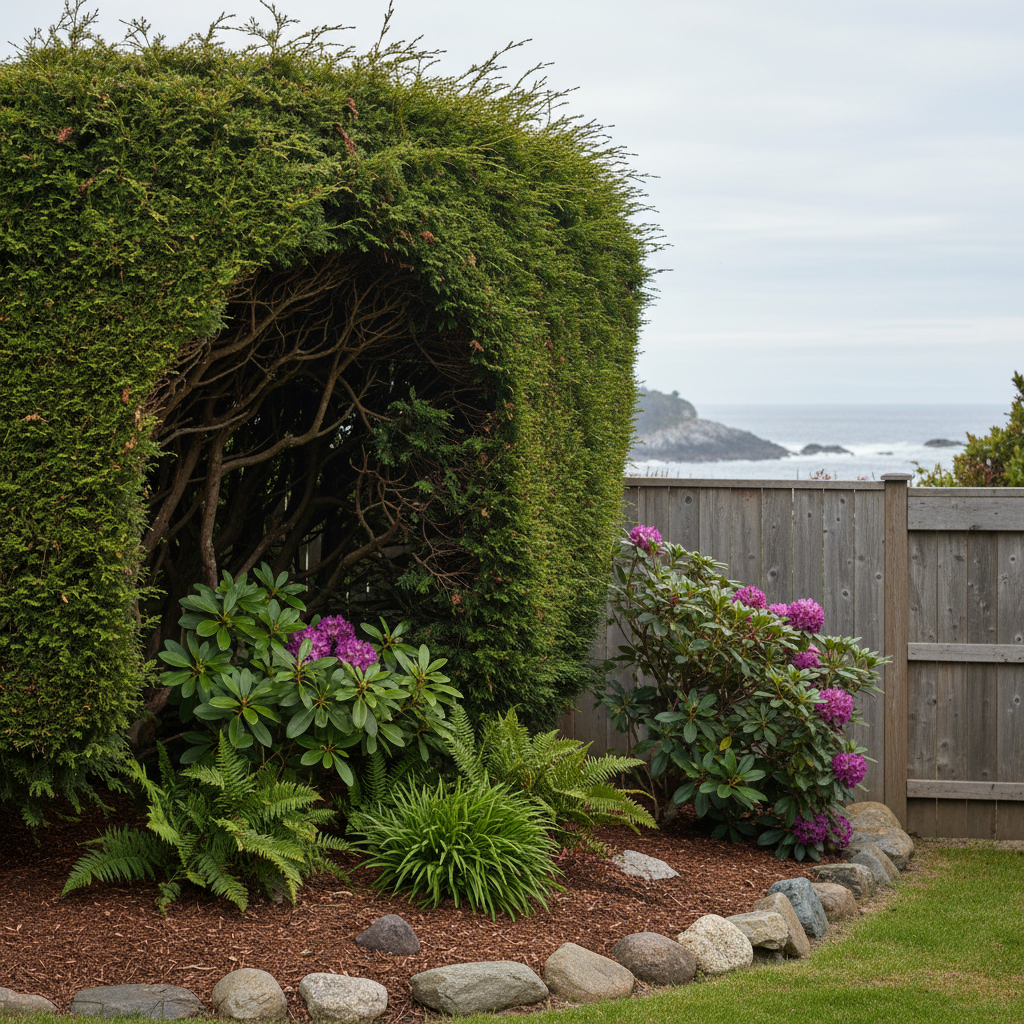
Wind-Resistant Landscaping for Vancouver Island: Windbreaks, Plant Choices, and Garden Design
If you've watched strong coastal winds flatten flowers or push patio furniture across your deck, you already know how powerful wind can be on Vancouver Island.
Wind doesn't just make outdoor spaces uncomfortable. It damages plants, dries soil quickly, and prevents gardens from thriving.
Fortunately, thoughtful wind resistant landscaping can solve the problem. With the right windbreak strategy, plant selection, and garden layout, even exposed properties on Quadra Island, Cortes Island, or along Discovery Passage can support healthy landscapes.
Here's how homeowners across Vancouver Island design gardens that handle windy conditions.
Why Some Properties Experience Stronger Wind
Vancouver Island sits directly in the path of Pacific weather systems.
Two common wind patterns affect local properties.
Southeast storm winds arrive during fall and winter storms and can bring gusts exceeding 80 km/h. Outflow winds move from mainland valleys across the Strait of Georgia and often affect areas from Campbell River through the Comox Valley.
Properties most exposed to wind often share several characteristics:
- Higher elevation than surrounding land
- Direct exposure to ocean channels or straits
- Limited tree cover on the windward side
In these locations, creating a wind barrier becomes essential for long-term landscape health.
Windbreak Plants That Work on Vancouver Island
Planting a windbreak is the most effective long-term solution for wind resistant landscaping.
Unlike solid fences, plants slow the wind gradually by filtering air through branches and leaves. This reduces wind speed across a larger area and protects gardens behind them.
Several windbreak plants Vancouver Island gardeners rely on perform especially well in coastal conditions.
Portuguese laurel is a popular evergreen shrub used for dense hedging. It grows quickly, tolerates partial shade or full sun, and handles clay soils and salt exposure. Mature hedges can reach several metres in height and provide an effective wind barrier.
Escallonia is another excellent evergreen shrub for coastal gardens. It produces pink flowers in early summer and tolerates salt spray and windy conditions well.
Native salal is a low-growing shrub often used beneath larger trees and shrubs. It spreads naturally, improves soil over time, and produces small red berries.
For taller windbreaks, shore pine and Sitka spruce perform extremely well. These native coastal trees handle strong winds, poor soil, and wet winters.
For faster results, many landscapes use layered planting. Taller trees form the back row while mid-height evergreen shrubs create protection closer to garden beds.
Structural Wind Barriers
Sometimes gardens need immediate wind protection before plants have time to grow.
Structural wind barriers such as fences, screens, or partial walls can reduce wind quickly.
However, completely solid barriers often create turbulence on the sheltered side. Wind moves over the top and accelerates downward.
Research shows that porous barriers allowing about 40-50 percent airflow reduce wind speed more effectively across a larger area.
Examples include:
- Horizontal slat fences
- Lattice panels
- Decorative wood screens
These designs slow wind instead of stopping it abruptly, creating better wind resistance throughout the garden.
Wind Resistant Plants for Coastal Gardens
Beyond windbreak hedges, individual plant selection matters in exposed gardens.
Wind resistant plants BC gardeners rely on typically share several traits:
- flexible stems
- deep root systems
- narrow or compact foliage
Ground covers work well because they stay low and protect soil from erosion.
Kinnikinnick is a native ground cover that spreads quickly and produces red berries. It handles drought tolerant conditions and coastal winds.
Beach strawberry is another strong option for sandy soils and windy areas.
Perennials that perform well include crocosmia, sea thrift, and yarrow. These plants tolerate windy conditions and bloom from early spring through early summer depending on species.
Shrubs such as hebe and Nootka rose are also great additions. Many varieties produce white flowers or pink flowers while remaining resilient in coastal climates.
Ornamental grasses also provide excellent wind resistance because their flexible stems bend rather than break in strong gusts.
Protecting Vegetable Gardens from Wind
Wind can significantly reduce vegetable production by damaging plants and drying soil too quickly.
The best solution combines raised beds with removable protection.
Frames built around raised beds can support shade cloth or garden fabric during windy periods. These coverings reduce wind exposure without blocking sunlight.
Vegetable gardens should ideally be placed on the sheltered side of a hedge, house, or fence.
If a windbreak hedge reaches three metres tall, the protected growing area behind it may extend ten to fifteen metres downwind.
This sheltered zone creates ideal conditions for growing vegetables even in windy locations.
Preventing Soil from Drying Out
Wind increases evaporation, especially during dry spells in summer.
Bare soil quickly loses moisture and nutrients.
Three strategies help maintain healthy soil in windy gardens.
Mulch garden beds with bark chips or organic material to retain moisture and reduce erosion.
Plant living ground covers beneath trees and shrubs. These plants protect soil and improve soil structure over time.
Use cover crops such as clover or winter rye in vegetable beds during the colder months. These crops protect soil from storms and add nutrients for the following growing season.
When to Plant Windbreak Plants
The best time to establish windbreak plants Vancouver Island landscapes depend on is between October and March.
Fall planting works particularly well because cooler temperatures and winter rain allow root systems to develop before summer drought arrives.
Bare-root trees and shrubs planted in winter often establish quickly because they focus energy on root development rather than foliage.
Spring planting is also possible but requires consistent watering through the first summer.
Planting during hot summer months is usually risky because wind and heat stress can damage young plants before they establish.
Designing a Garden That Works With the Wind
Successful wind resistant landscaping uses a layered approach.
Structural wind barriers provide immediate relief. Trees and shrubs create long-term protection. Tough plants fill exposed areas while more delicate plants grow in sheltered spaces.
Every Vancouver Island property has a different wind pattern depending on elevation, surrounding terrain, and proximity to water.
Properties overlooking the Strait of Georgia or Discovery Passage often require stronger wind protection than sheltered inland gardens.
With thoughtful planning, even windy coastal properties can support healthy plants, comfortable outdoor spaces, and productive gardens.
Need Help Designing a Wind-Resistant Landscape?
Homeowners across Campbell River, the Comox Valley, Quadra Island, and Cortes Island often deal with strong winds that damage plants and limit how outdoor spaces are used.
Dream Team Landscaping designs landscapes suited to Vancouver Island's coastal climate. From windbreak planting and garden design to full landscape installations, we help create outdoor spaces that work with local conditions.
If you're planning a new garden or want to improve wind protection around your property, it may be worth exploring what a well-designed landscape could do for your yard.
SEO Title: Wind-Resistant Landscaping for Vancouver Island | Windbreaks & Plants
Meta Description: Protect your Vancouver Island garden from coastal wind. Windbreak hedges, wind-resistant plants, fence design, and protected garden layouts for exposed properties.
Primary Keyword: wind resistant landscaping
Secondary Keywords: windbreak plants vancouver island, wind resistant plants bc, coastal landscaping vancouver island, wind protection garden
Suggested Slug: wind-resistant-landscaping-vancouver-island
READY TO TRANSFORM YOUR GARDEN?
Relates Articles
Real landscaping advice from our team—seasonal tips, project ideas, and maintenance wisdom earned over 30 years on Vancouver Island.