RetainingWall Installation & Cost Guide for Campbell River & Comox Valley
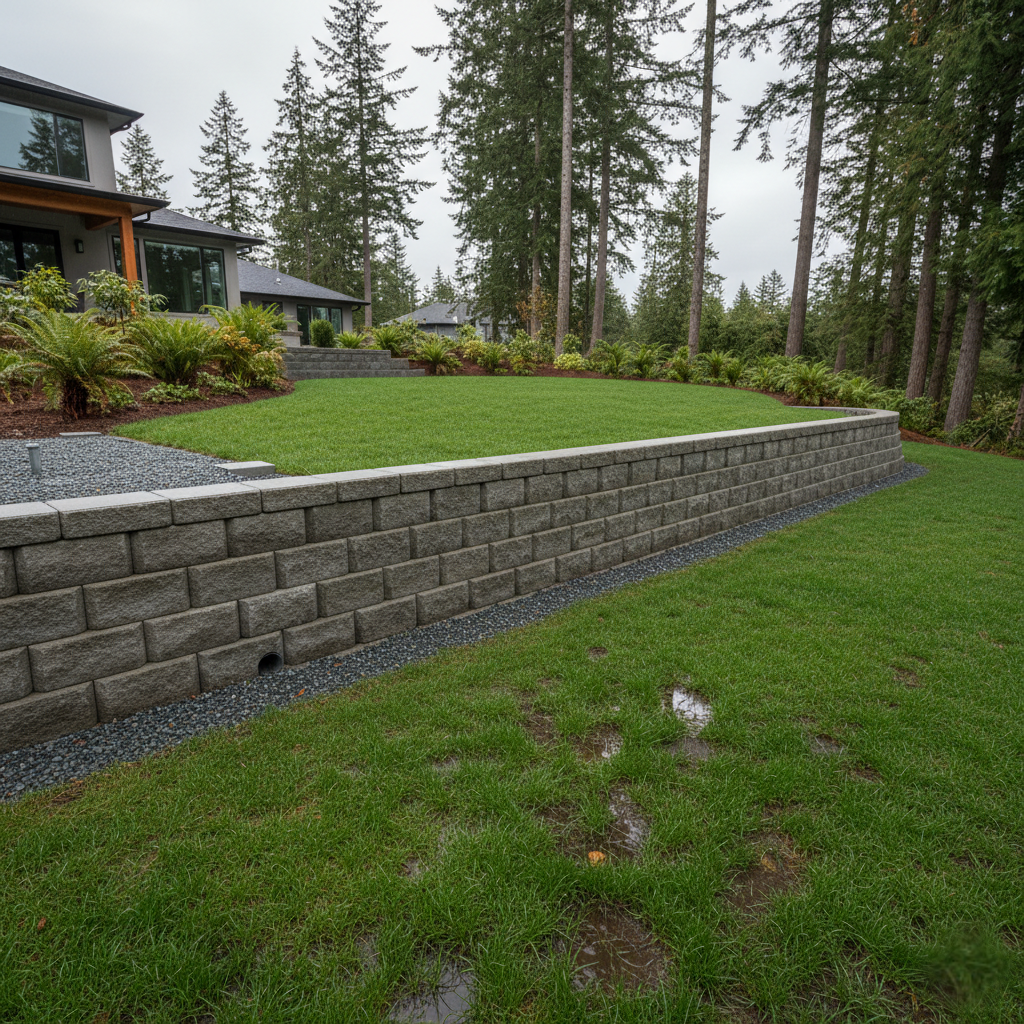
On Vancouver Island, a retaining wall is often less about looks andmore about protecting your yard from water, slope movement, and long-termdamage.
In Campbell River and across the Comox Valley, we deal with heavyseasonal rain, mixed soil conditions, and sloped lots. Without proper support,soil can creep, garden beds can wash out, and hardscape features can shift overtime. A well-built retaining wall solves those issues while adding cleanstructure to your property.
This guide covers what local homeowners usually need to know beforebuilding: wall types, when a wall is necessary, realistic retaining wall costranges, permit and drainage considerations, installation steps, maintenance,and how to choose reliable retaining wall contractors.
If you are planning work for spring or summer, this is the time toassess your site and budget properly.
Why RetainingWalls Matter on Vancouver Island
ManyIsland properties are not flat. Even mild grade changes create pressure andwater movement that can damage landscaping if unmanaged.
Commonlocal triggers for a retaining wall include:
· Soil erosion during fall andwinter rain
· Sloped backyard sections thatare hard to use
· Raised garden beds that needstable edges
· Driveway or pathway edges thatare losing support
· New patios or outdoor livingareas that need grade control
Inthis region, drainage is never optional. A retaining wall that looks fine inJuly can fail after one wet season if water pressure builds behind it. That iswhy retaining wall design here must account for both load and drainage from dayone.
Forhomeowners planning broader yard upgrades, retaining walls are often part of acomplete layout strategy that may include planting zones, paths, drainagerouting, and concrete features. Dream Team Landscaping offers fulllandscaping servicesand can scope the wall as part of a complete exterior plan.
Types ofRetaining Walls: Concrete, Timber, Stone, and Block
Notevery wall type is right for every site. The best option depends on slopeheight, soil conditions, drainage requirements, intended appearance, andbudget.
Concrete Retaining Walls
Concrete wallsare a strong option for higher loads and modern finishes. Depending on siteconditions, this can include poured concrete or engineered concrete systems.
Best for:
· Taller walls
· Areas near driveways orstructures
· Homeowners wanting long servicelife
Pros:
· High strength and durability
· Clean, versatile appearance
· Works well with engineereddesigns
Considerations:
· Higher upfront cost in manycases
· Proper reinforcement anddrainage are essential
If your projectincludes steps, pads, or walkways, combining wall planning with concreteservices can keep gradesand finishes consistent.
Timber Retaining Walls
Timber walls arecommon for lower-height residential projects and natural-style yards.
Best for:
· Short walls and garden edges
· Budget-conscious projects
· Rustic or natural landscapestyles
Pros:
· Lower initial cost than manymasonry systems
· Faster installation for simpledesigns
Considerations:
· Shorter lifespan than concreteor stone
· Greater maintenance exposure inwet climates
· Material quality and drainagedetails make a big difference
Natural Stone RetainingWalls
Stone wallsoffer a premium, timeless look and can suit many Island properties.
Best for:
· Feature areas and curb appeal
· Homes wanting a naturalaesthetic
· Projects where appearance is atop priority
Pros:
· Strong visual impact
· Good durability when builtcorrectly
Considerations:
· Labour-intensive installation
· Higher cost depending on stonetype and sourcing
Segmental Block RetainingWalls
Engineeredretaining wall blocks are one of the most common residential systems in BC.
Best for:
· Medium-height retaining walls
· Projects needing a balance ofperformance and cost
· Homeowners wanting predictableinstallation methods
Pros:
· Reliable system with properbase and reinforcement
· Many finish options
· Scalable for different wallheights
Considerations:
· Base prep and compaction cannotbe skipped
· Geogrid and drainage layers maybe required based on design
Materialchoice should be guided by site realities first, then appearance. For a broaderbreakdown of material performance in local conditions, see this landscapingmaterials guide.
When You Need aRetaining Wall (and When You Might Not)
Aretaining wall is usually needed when you have meaningful grade change andexposed soil pressure. You may need one if:
· Soil is slumping or washingonto lower areas
· Existing slope is too steep tomow, plant, or use safely
· You want to create level spacefor a patio, lawn, or seating area
· Raised planting zones requirestructural support
· A neighbouring elevationdifference creates runoff pressure
Youmay not need a structural retaining wall if:
· The grade can be re-shaped withgentle slopes
· Erosion can be controlled bydrainage and planting only
· The elevation change is minorand manageable with edging
Siteassessment matters here. The most expensive mistake is building a wall wheregrading and drainage improvements would have solved the issue for less. Thesecond most expensive mistake is building an undersized wall that fails afterheavy rain.
Aproper assessment looks at:
· Height and length requirements
· Soil type and saturation risk
· Surface water direction
· Location of buildings, fences,driveways, and utilities
· Access constraints forexcavation and materials
Ifyour wall is part of a larger property upgrade, coordinated landscapedesign and installationcan prevent rework later.
Retaining WallCost in Campbell River & Comox Valley
Retainingwall cost depends on far more than wall face material. Homeowners often budgetfor the visible portion and underestimate excavation, drainage, base prep, andengineering.
Typical Cost Ranges(Installed)
Actualprices vary by site, but these are common residential ranges in the CampbellRiver and Comox Valley market:
· Timber retaining wall: roughly $70-$140per sq. ft.
· Segmental block retaining wall:roughly $90-$180 per sq. ft.
· Poured or engineered concretewall: roughly $120-$250+ per sq. ft.
· Natural stone retaining wall:roughly $140-$300+ per sq. ft.
Thesenumbers are planning ranges, not fixed quotes. Complex sites, limited access,and engineering requirements can move costs upward.
Main Cost Drivers
- Wall height and load
Taller walls need deeper bases, stronger structures, and often engineered reinforcement. - Drainage requirements
On Vancouver Island, drainage details are a core part of the build, not an optional add-on. Drain rock, perforated pipe, filter fabric, and proper outlet routing all affect price. - Excavation and disposal
Soil removal, trucking, and site access can significantly affect final cost. - Soil conditions
Saturated or unstable soils may require extra excavation depth, geotextiles, or structural changes. - Permits and engineering
Depending on height, load conditions, and municipality rules, engineered drawings and permits may be required. - Site access and equipment
Tight side yards or limited machine access increase labour time. - Finishing work
Caps, lighting, stairs, adjacent pathways, planting, and irrigation all change project scope.
Permit and CodeConsiderations in BC
Permitthresholds can vary by municipality, but a common residential trigger is wallheight around 1.2 m (about 4 ft) or conditions where the wall supportssurcharge loads (such as driveways, buildings, or steep upper slopes).
Inpractice, many walls above this range need engineering and permit review.Always confirm requirements with local authorities before construction:
· City of Campbell River
· Comox Valley Regional District/ local municipality (Courtenay, Comox, Cumberland, depending on location)
Aqualified contractor should identify likely permit triggers early so theschedule and budget are realistic.
Retaining WallInstallation Process: What to Expect
Aprofessional retaining wall installation follows a sequence. Skipping stepscreates risk, especially in wet climates.
1) Site Visit and Assessment
The contractorreviews grade changes, drainage paths, soil conditions, access, and projectgoals. This step determines whether you need a structural wall, gradingstrategy, or both.
2) Design, Scope, and Estimate
You receive adefined scope with material options, dimensions, drainage approach, timeline,and cost breakdown. If engineering is required, drawings are coordinated beforeconstruction starts.
3) Utility Checks,Permits, and Layout
Beforeexcavation, utility locations are confirmed and permit approvals are in placewhere needed. Wall alignment and elevations are marked on-site.
4) Excavation and BasePreparation
This isthe foundation of wall performance. The crew excavates to design depth,installs a compacted base, and confirms level alignment. Poor base prep is acommon cause of wall movement later.
5) Wall Constructionand Reinforcement
Coursesare installed with controlled setback and alignment. Depending on wall type andheight, reinforcement (such as geogrid or rebar systems) is added according todesign requirements.
6) DrainageInstallation and Backfill
Drainageaggregate, filter fabric, and perforated drainage pipe are installed behind thewall. Backfill is placed and compacted in lifts. This stage is critical forreducing hydrostatic pressure.
7) Finishing, Cleanup, andReview
Wall caps,transitions, grading, and tie-ins to adjacent hardscape or planting arecompleted. The site is cleaned and final care guidance is provided.
If you areplanning connecting surfaces like paths or entries, this concretepathways guide is a usefulplanning reference.
Maintenance andLong-Term Performance
Evena well-built retaining wall benefits from routine checks. Most maintenance issimple if done early.
Seasonal MaintenanceChecklist
· Check for clogged drains orwater pooling after heavy rain
· Inspect for bulging, leaning,cracking, or displaced blocks
· Look for erosion at wall endsand toe areas
· Keep weep holes and outletpoints clear
· Control invasive roots nearwall lines
· Regrade minor low spots beforewater channels form
Warning Signs to AddressQuickly
Call aprofessional if you notice:
· New outward movement or bowing
· Step cracks that widen overtime
· Persistent wet spots behind orbelow the wall
· Sinkage near wall edges
Earlycorrection is usually far less costly than rebuilding a failed section.
How to ChooseRetaining Wall Contractors in Campbell River
Theright contractor should be able to explain the build in plain language and showyou how they handle drainage, base prep, and structural details.
Whencomparing retaining wall contractors, ask:
1. Have you built walls inCampbell River or Comox Valley with similar slope and soil conditions?
2. How do you handle drainagebehind the wall?
3. When do you recommendengineering, and who provides it?
4. What permit conditions should Iexpect for my site?
5. What is included in your quote(excavation, disposal, drainage, finishing)?
6. What timeline should I planfor, including approvals and weather delays?
Adependable quote should be specific, not vague. You should see scope,exclusions, and materials clearly listed.
AtDream Team Landscaping, the focus is straightforward: build it correctly,account for local conditions, and leave homeowners with a retaining wall thatperforms as well as it looks.
Ifyou are planning a retaining wall Campbell River or Comox Valley project thisseason, now is the right time to line up assessment and scheduling. Requesta free estimate,book a site visit, or get a detailed quote based on your property.
FAQ: RetainingWall Questions Homeowners Ask
How much does aretaining wall cost in Campbell River?
Formany residential projects, installed cost lands in a broad range depending onmaterial, height, and drainage complexity. Basic timber walls are often lowercost, while engineered concrete and natural stone are typically higher. A sitevisit is the only way to price accurately.
Do I need apermit to build a retaining wall in BC?
Often,walls around 1.2 m (4 ft) and above can trigger permit or engineeringrequirements, and lower walls may still require review if they supportsurcharge loads or are near structures. Confirm with your local municipalitybefore work starts.
What is the bestretaining wall material for wet conditions?
Thereis no single best material for every site. In wet conditions, performancedepends heavily on drainage design and base prep. Block and concrete systemsare common choices when properly engineered and drained.
How long doesretaining wall installation take?
Small,straightforward walls may take several days. Larger or engineered walls cantake several weeks once design, permits, excavation, and weather are factoredin. Scheduling early helps avoid peak-season delays.
How do I know ifmy existing retaining wall is failing?
Watchfor leaning, bulging, widening cracks, displaced sections, and standing waternear the wall. If you see movement after heavy rain, arrange an inspectionquickly to avoid larger repairs.
Aretaining wall is one of those projects where planning and craftsmanship mattermore than shortcuts. When the design, drainage, and installation are doneproperly, you get safer grades, better use of your yard, and fewer drainageheadaches over time.
Forhomeowners in Campbell River and the Comox Valley, Dream Team Landscaping canassess your site, explain your options clearly, and provide a scope you cantrust. Request a free estimate, book a site visit, or get a detailed quote whenyou are ready to move forward.
READY TO TRANSFORM YOUR GARDEN?
Relates Articles
Real landscaping advice from our team—seasonal tips, project ideas, and maintenance wisdom earned over 30 years on Vancouver Island.
.png)
.png)