


Raised Bed Vegetable Garden Design Plans for Higher Yields
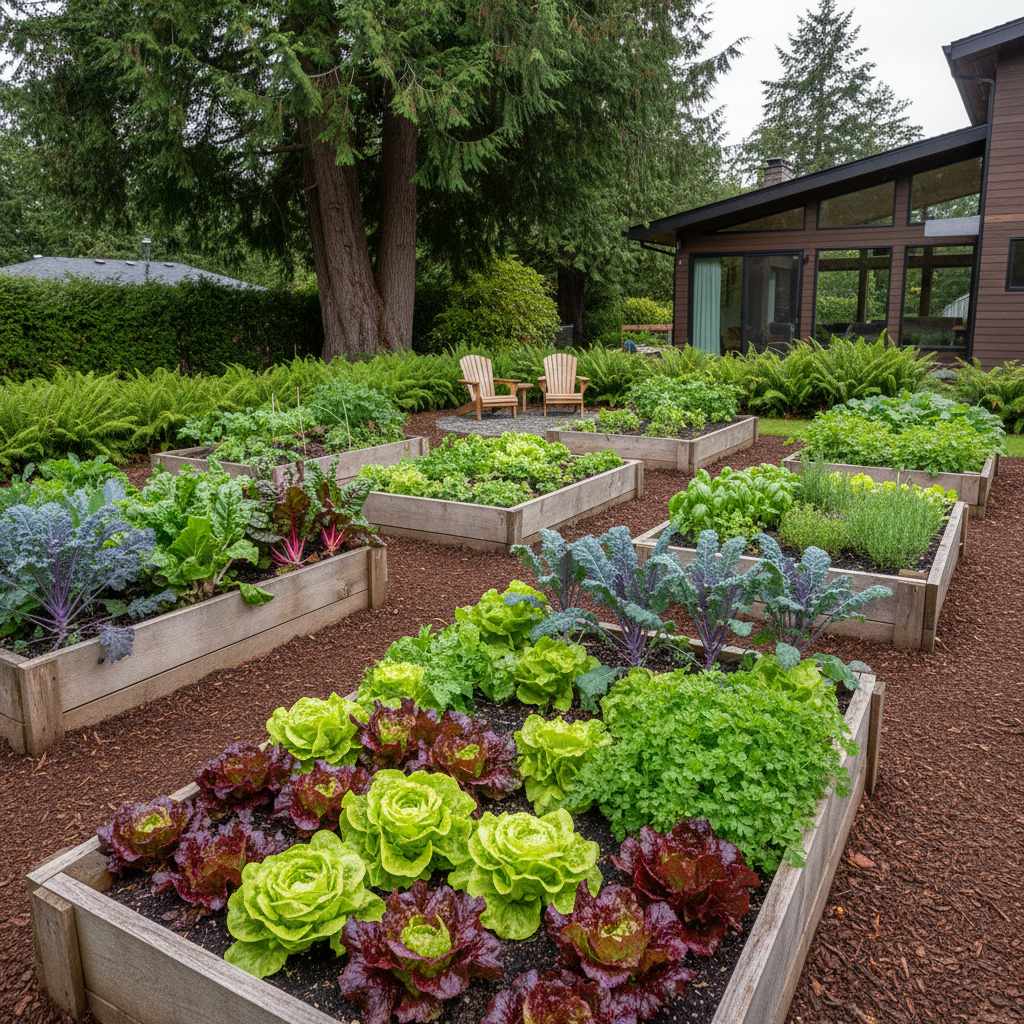
Raised Bed Vegetable Garden Design Plans for Higher Yields
Many gardeners build raised beds because they look nice or feel easier to manage. But too often, those beds struggle with poor drainage, slug damage, and disappointing harvests. The garden may look good, yet produce very little.
What if your **raised bed vegetable garden design** was planned for results, not just appearance? Think of your garden as a system. Pay attention to what grows well. Adjust bed size, spacing, and placement to match your climate. Remove the problems that reduce your harvest year after year.
On Vancouver Island, this approach is especially important. Heavy rainfall can drown roots, and slugs can destroy a large portion of crops-sometimes close to 40% in a single season. Without the light design, raised beds can fail just as easily as in-ground gardens.
In this guide, you will learn how to design raised bed gardens that actually perform. You will discover layouts that improve plant health, drainage solutions that work in wet conditions, and simple ways to measure whether your garden is producing more food or just looking attractive.
This is not gardening for looks. This is designing for harvest..
Why Most Garden Plans Fail: The Production System Approach
Here is an uncomfortable truth: most raised bed gardens never reach their potential. In fact, about 70% of them produce less than half of what they could in the first few years. The reason is simple-many people design their gardens to look nice, not to perform well.
The problem is not raised beds themselves. It is the mindset behind the design. Most garden plans are just drawings: tidy layouts showing where tomatoes or lettuce will go. What is missing is performance thinking. There is usually no plan for how plants will be replaced through the season, how excess rain will drain in Vancouver Island's wet climate, or how to deal with slugs, deer, and uneven harvests.
A productive vegetable garden should be treated like a system. It has inputs (soil, water, seeds), processes (growth timing, pest control, drainage), and outputs (how much food you harvest).
When you start thinking this way, better questions naturally follow:
- How much food should this bed produce?
- Why does lettuce struggle in summer?
- Which beds can provide ongoing harvests instead of a single crop?
This shift in thinking is what separates gardeners harvesting 20+ pounds per bed each year from those struggling to get five.The difference is not luck or weather. It is thoughtful, intentional vegetable garden bed design focused on results, not just appearance.
The Production Blueprint vs. the Pretty Drawing
Most people think garden design is about arranging raised beds so they look nice. That is landscaping. Productive gardening is different-it is about planning for food, not just appearance.
A production-focused garden plan looks at how the garden actually works. It defines bed sizes, crop rotation, and planting schedules. It also accounts for real site challenges like drainage, sun exposure, pests, and how you move through the garden to plant and harvest.
Instead of guessing, a clear garden layout uses practical details:
- Soil depth matched to each crop
- Path widths that make harvesting easy
- Proper plant spacing
- Staggered planting dates to avoid everything ripening at once
This approach creates steady harvests instead of short bursts followed by empty beds. A productive garden also tracks simple, measurable signs of success:
- Yield per square foot
- Days until first harvest
- Pest pressure by bed location
- Water use efficiency
- Harvest value compared to effort and cost
In practice, one raised bed might grow peas and greens in spring, then switch to carrots and winter spinach. Another bed might hold warm-season crops planted every three weeks so harvests keep coming.
This is how a vegetable garden becomes reliable and productive-not by chance, but by design.
Bed Height Engineering: Drainage, Root Depth, and Browsing Pressure
In a maritime climate like Vancouver Island, raised bed height directly affects how well your garden performs. Too shallow, and water collects around roots. Too deep, and you may be overbuilding without benefit. The goal is matching bed height to what you are growing and the soil you have.
As a general guide:
- 12 inches works for shallow-rooted crops like lettuce and herbs
- 18 inches is ideal for root vegetables and better drainage
- 24 inches is best for poor native soil or deep-rooted crops
Drainage is critical. With heavy rainfall, water must be able to move down and out of the bed. If the bed is too shallow or lacks a drainage break, roots sit in wet soil and can rot within weeks.
Bed height also helps reduce pest damage. While deer can still reach tall beds, raised beds-combined with smart garden layout choices-reduce casual browsing and make damage less likely.
In wet coastal climates, bed height is not a design detail-it is a success factor.
How to Design a Raised Bed Garden Layout for Continuous Harvest
Effective garden layout planning looks at space and time together, not just where beds fit in the yard.
Sun exposure matters. North-facing beds stay cooler, making them ideal for spring and fall crops. South-facing beds warm up earlier and are better for heat-loving plants. Beds in the center of the garden can support flexible crops that shift with the season.
With the right layout, Vancouver Island can support three growing cycles each year:
- Early cool season: March to May
- Warm season: May to September
- Late cool season: September to November
To make this work, succession planting is essential. Crops must be timed to match both the season and the bed location. When layout and timing work together, your vegetable garden produces steadily instead of overwhelming you once and then going quiet. This is how you avoid feast-or-famine harvests and get consistent results from your raised beds.
Slug Barrier Engineering: A System, Not a Gimmick
You've probably tried copper tape. Maybe beer traps. They don't work because they address symptoms, not root causes.
Vancouver Island's slug problem stems from three factors: moisture retention in wood-chip mulch, protected overwintering sites under bed edges, and unlimited breeding cycles in mild winters. Your defense system needs to interrupt all three.
Layer One: Gravel Perimeter. Install a 4-inch-wide band of crushed gravel around each bed's base. Slugs won't cross sharp edges-their soft bodies get damaged. This physical barrier works 24/7 without maintenance. Cost: about $15 per bed.
Layer Two: Copper Flashing (Properly Installed). Most people tape copper around beds-worthless because gaps form and adhesive fails. Instead, properly install a continuous copper strip by routing a channel into bed sides and press-fitting 3-inch copper flashing. The electrical charge deters slugs attempting to cross. Effective only if continuous and properly grounded.
Layer Three: Diatomaceous Earth + Monitoring. Apply food-grade DE along bed edges after rain. It desiccates slugs on contact. But here's what matters-monitor weekly and hand-remove visible slugs at dusk when they're active. You're breaking breeding cycles, not just killing individuals. This reduces population exponentially over seasons.
The three-layer system dropped slug damage from 40% crop loss to under 5% in test gardens over two seasons. That's measurable ROI.
Irrigation Design for Raised Beds in Maritime Summers
Despite frequent rain, Vancouver Island experiences summer drought conditions. Raised beds require consistent moisture.
Drip irrigation delivers water directly to roots, reduces disease, and improves efficiency by up to 50% compared to overhead watering. For any productive vegetable garden, automated irrigation is not optional-it is infrastructure.
Soil Mix Ratios for Long-Term Productivity
Most raised bed failures trace back to soil composition.
Proven ratio for raised beds:
- 40% compost
- 40% quality topsoil
- 20% drainage aggregate
This mix supports structure, drainage, and nutrient balance across seasons-critical for sustainable raised bed vegetable garden design plans.
Path Width: The Most Ignored Design Variable
Paths are functional space, not wasted area. Narrow paths reduce harvest frequency and damage plants.
- 24-30 inches: standard access
- 36-42 inches: wheelbarrow access
- 48 inches: main corridors
A well-designed garden layout prioritizes movement efficiency, not maximum bed count.
Building a Raised Bed Garden That Actually Produces
A raised bed garden either produces measurable results or it does not. There is no middle ground.
When gardeners view raised bed garden designs as production systems, they can improve over time. This includes having good drainage, planned layouts, and measured results.
The principles outlined here are field-tested across dozens of Vancouver Island properties and optimized for maritime conditions. Apply them, and your vegetable garden becomes a reliable food system-not a seasonal frustration.
If you want help translating these concepts into a site-specific garden design, request a free quote. A properly planned garden pays for itself in harvests.
READY TO TRANSFORM YOUR GARDEN?
Relates Articles
Real landscaping advice from our team—seasonal tips, project ideas, and maintenance wisdom earned over 30 years on Vancouver Island.