


Native Plants Vancouver Island Landscaping Guide
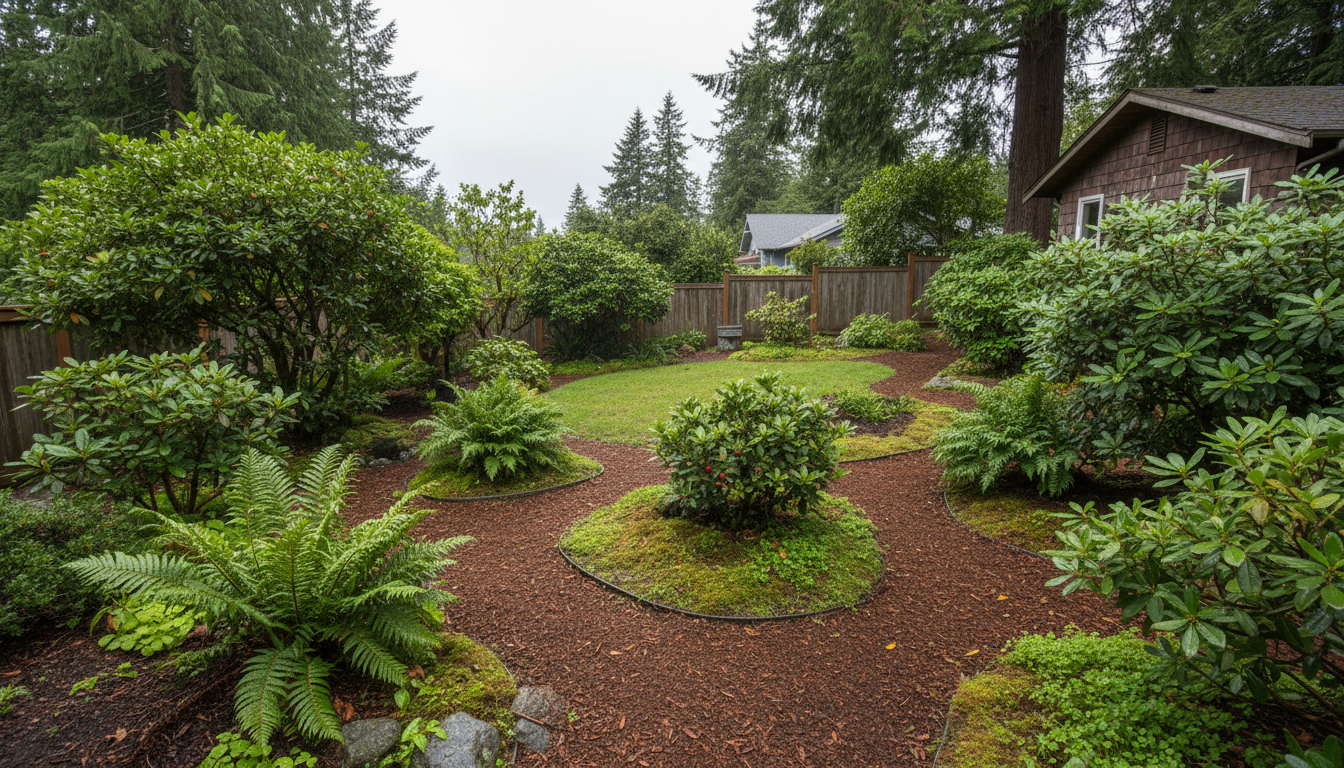
Native plants can make a Vancouver Island yard easier to care for, but only when they are chosen for the right spot. A salal that suits dry shade may struggle in a hot, reflected-heat driveway bed. A fern that loves moisture may fail in a gravelly, south-facing strip.
The best native plants Vancouver Island homeowners can use are not just pretty or local. They match the yard’s sun, soil, water, deer pressure, and maintenance goals.
This guide is a practical starting point for Campbell River and Comox Valley properties. If you want help turning plant ideas into a buildable bed plan, Dream Team Landscaping can support soil prep, layout, planting, rock or mulch choices, and landscape design and installation.
Why native plants make sense here
Native plants are already part of local ecosystems. That does not make them automatic, but it gives them an advantage when they are planted in the right conditions. Many can handle seasonal rain, dry summer spells, and local wildlife better than plants selected only for nursery colour.
Search data from the May brief shows clear interest in this topic: “native plants bc” has 390 monthly searches, and “native plants vancouver island” has 170 monthly searches. The live search results are heavy on government, nursery, and reference pages, which leaves room for a practical contractor guide about using plants in real yards.
Municipal native-plant resources also stress sourcing and site fit. The Saanich native-plant brochure recommends asking for plants sourced from Vancouver Island seed where possible, because local stock is better adapted to Island conditions.
For homeowners, the main benefit is a yard that looks intentional without needing constant watering, replacing, or fussing. The catch is that bed prep still matters. Native plants are not a way to skip soil improvement, drainage, spacing, or weed control.
Sunny and dry areas
Sunny front yards, boulevard edges, and south-facing beds can dry out hard by July. These are good places to use drought-tolerant plants, gravel mulch in moderation, and wider spacing so plants are not fighting for water.
Possible choices include:
· Kinnickinnick for low evergreen groundcover
· Nodding onion for seasonal flowers in sunny beds
· Yarrow for dry, open areas
· Oregon grape where a tougher evergreen shrub is needed
· Oceanspray for a larger native shrub in the right space
· Native grasses for movement and erosion control
Do not assume dry-loving means no watering after planting. New plants need establishment care. The first summer usually calls for regular watering while roots move into the surrounding soil. After that, many native selections can handle drier periods with less help.
Rock and gravel can pair well with sunny native planting, but avoid burying roots in heat-trapping stone. Use soil pockets, proper mulch where needed, and enough room for mature size.
Wet or drainage-challenged areas
Some Vancouver Island yards stay damp long after rain. A plant that thrives in dry shade may fail there. Wet areas need species that tolerate moisture and a plan for water movement.
Options may include:
· Red-osier dogwood for damp sites and winter stem colour
· Pacific ninebark for larger wet-area shrub structure
· Skunk cabbage only in naturalized wet zones with enough room
· Slough sedge or other sedges for rain-garden edges
· Salmonberry in larger, wilder areas where spread can be managed
Wet planting is not a substitute for fixing bad drainage near a foundation. If water is pooling against the house, solve the water route first. If the wet area is safely away from structures, planting can help stabilize soil and improve appearance.
A rain-garden style bed may include amended soil, a shallow basin, overflow planning, and plants arranged by moisture zone. Plants at the bottom must tolerate more water than plants on the edge.
For homeowners already thinking about drainage, native planting can pair with rock channels, swales, and landscaping tips for BC properties that reduce waste and water use.
Native shrubs for privacy and structure
Privacy planting is where many yards go wrong. Homeowners plant too close, choose shrubs that outgrow the space, or mix species with very different water needs. Three years later, the bed is crowded, uneven, and hard to prune.
Native shrubs can help create a softer screen, but mature size matters.
Consider:
· Evergreen huckleberry for part shade and evergreen structure
· Tall Oregon grape for tough evergreen screening in selected spots
· Salal for coastal-style massing and low screening
· Pacific wax myrtle in milder, well-drained locations
· Red-flowering currant for seasonal colour and pollinator interest
· Oceanspray for larger sunny spaces
For tight property lines, a full native hedge may not be the best fit. Some shrubs spread wide. Others are better used as layered planting with ornamental evergreens, fencing, or hardscape.
A clear design sets spacing based on mature size, not the small pot at planting time. That avoids crowding and reduces future pruning.
Pollinator-friendly choices without creating a messy bed
Pollinator planting does not need to look wild or neglected. The best beds use repeat plant groupings, clear edges, and bloom timing that gives insects food across more than one month.
Useful native options can include camas, nodding onion, red-flowering currant, yarrow, Douglas aster, Oregon grape, and oceanspray. The City of Colwood notes that Garry oak and camas ecosystems on southern Vancouver Island have been heavily reduced, with only a small share of camas ecosystem still intact. Home gardens cannot replace full ecosystems, but they can provide better habitat than bare lawn or all-rock beds.
For a tidy residential yard, group plants in clusters rather than scattering one of everything. Keep taller plants at the back or middle, use groundcovers to reduce bare soil, and leave maintenance access for weeding and pruning.
Pollinator beds also need a cleanup plan. Cutting everything down in fall can remove habitat. Leaving all debris can look messy and create weed pressure. A balanced approach keeps useful stems where appropriate and cleans high-visibility areas.
Deer-resistant considerations
No plant is fully deer-proof. Hungry deer will sample plants they usually avoid. That said, some choices are less likely to be browsed than tender annuals, young fruit trees, or soft new growth.
On Vancouver Island properties with deer pressure, use caution with new plantings. Young shrubs are more vulnerable because their growth is low and tender. Temporary fencing, repellents, or plant guards may be needed during establishment.
Plants often used in deer-aware designs include Oregon grape, sword fern, yarrow, lavender, ornamental grasses, and some tougher aromatic or textured plants. Local deer behaviour varies by neighbourhood, so site experience matters.
A practical design assumes some browsing risk. Use more resilient plants near edges, protect the most vulnerable new shrubs, and avoid building the whole bed around species deer often target.
Mixing native plants with ornamental plants
A good yard does not have to be 100% native to be responsible or attractive. Many successful beds mix native structure with durable ornamental plants that provide longer bloom, evergreen form, or specific colour.
The key is matching water and maintenance needs. Do not combine a dry-sun native with a thirsty ornamental in the same small bed unless irrigation and soil are planned for both. Do not plant fast-growing shrubs beside slow, compact perennials and expect easy upkeep.
A balanced Vancouver Island bed might use salal, sword fern, and Oregon grape as backbone plants, then add a few ornamental grasses, lavender, or compact flowering perennials where the site allows. The result still feels local, but it gives the homeowner more control over appearance.
Dream Team can help shape that mix and connect it to patios, paths, lawn edges, and recent landscaping projects for a finished look.
Bed prep matters more than the plant list
The best plant list can fail in poor soil. Before planting, the bed may need sod removal, weed removal, compost, drainage correction, edge definition, mulch, irrigation adjustment, or grading.
Professional bed prep usually includes:
· Removing existing turf, weeds, and roots
· Checking drainage and soil compaction
· Amending soil based on plant needs
· Setting clean bed edges
· Planning plant spacing by mature size
· Mulching correctly around crowns and stems
· Watering plants through the first establishment season
This is especially true for low-maintenance goals. A bed is easiest to care for when weeds are controlled early, plants have room to grow, and water moves properly.
Cheap planting usually means crowding small plants close together for instant fullness. It looks good for a short time, then becomes a pruning and replacement problem. Better spacing may look open at first, but it protects the long-term result.
Maintenance expectations for native planting
Native planting reduces some tasks, but it does not remove maintenance. Expect watering during establishment, weeding while plants fill in, seasonal pruning, leaf cleanup in high-traffic areas, and mulch refreshes.
A realistic maintenance plan looks like this:
· First 4–8 weeks: check soil moisture often
· First summer: deep watering during dry spells
· First year: weed before roots spread
· Year two: prune lightly for shape and structure
· Ongoing: refresh mulch, remove invasive plants, thin crowded areas
If you want help keeping beds clean after installation, ask about ongoing landscape maintenance plans.
Plan planting around the whole yard
Native plants work best as part of a full site plan. Think about views from windows, privacy, drainage, paths, pets, kids, deer, and how much time you actually want to spend in the yard.
Dream Team Landscaping can help homeowners choose native and ornamental plants that suit Vancouver Island conditions, then install them with the right soil prep and clean edges. Request a free estimate to book a site visit and get a detailed quote.
FAQ
What are good native plants for Vancouver Island yards?
Common options include salal, sword fern, Oregon grape, evergreen huckleberry, red-flowering currant, oceanspray, yarrow, camas, and kinnickinnick. The right choice depends on sun, soil, water, and deer pressure.
Are native plants low-maintenance?
They can be lower-maintenance once established, but they still need watering at first, weeding, spacing, and occasional pruning.
Can native plants handle dry summers?
Some can, especially when matched to sunny, dry sites. New plants still need establishment watering through their first dry season.
What native shrubs work for privacy?
Evergreen huckleberry, tall Oregon grape, salal, and Pacific wax myrtle may work in the right locations. Mature size and spacing need to be planned carefully.
Should I use only native plants?
Not necessarily. Many good yards mix native plants with durable ornamentals that fit the same soil and water conditions.
READY TO TRANSFORM YOUR GARDEN?
Relates Articles
Real landscaping advice from our team—seasonal tips, project ideas, and maintenance wisdom earned over 30 years on Vancouver Island.