Moss Control: The Vancouver Island Homeowner's Spring Guide
Moss Control: The Vancouver Island Homeowner's Spring Guide
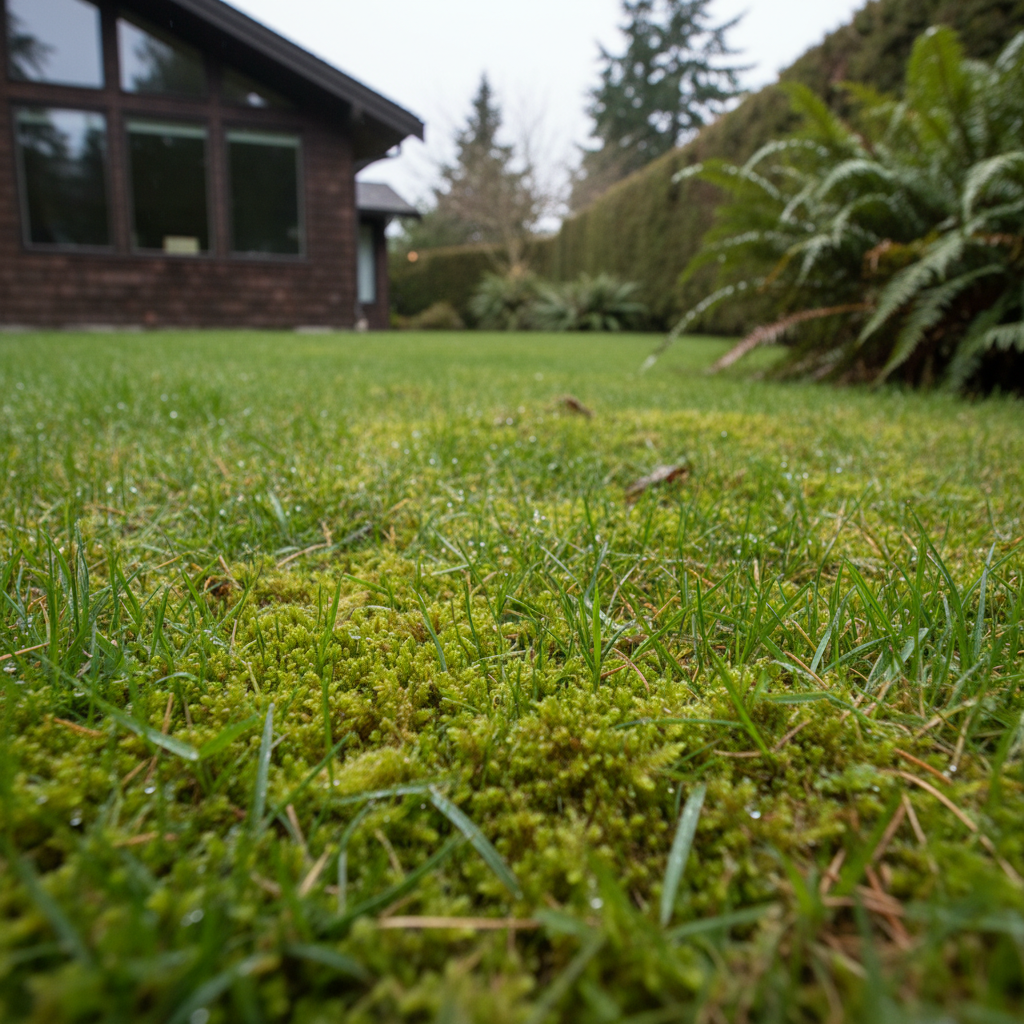
If you walked across your lawn this February and noticed more green moss than actual grass, you're not alone. Moss in lawn areas is practically a rite of spring on Vancouver Island.
The good news is this: it's not because you're a bad gardener.
The real reason is simple. Vancouver Island's climate makes it easy for moss to grow. Heavy rainfall, shaded yards, and naturally acidic soil create perfect conditions for moss while grass struggles to survive.
Spring is the best time to deal with it. With the right approach, lawn moss removal can turn a mossy yard back into healthy grass before summer.
Why Moss Grows So Easily on Vancouver Island
Moss isn't a disease. It's a ground cover that appears when grass can't compete for water and nutrients.
Several local conditions encourage moss growth.
Heavy rainfall and drainage issues
Campbell River receives about 1,400 mm of rain each year. During fall and winter, saturated soil prevents proper grass root development.
Moss thrives in wet soil, while grass roots begin to weaken.
Soil acidity
High rainfall gradually lowers soil pH, creating soil acidity that favours moss. Conifer needles from Douglas fir and cedar trees make the soil even more acidic.
Grass grows best in soil with a pH between 6.0 and 7.0, while moss can thrive in acidic soil below that range.
Shady areas
Lawns surrounded by cedar hedges or tall fir trees often receive very little sunlight.
Grass needs at least 4-6 hours of sunlight, but moss grows easily in shady areas where sunlight is limited.
Compacted soils
Many Vancouver Island yards sit on heavy clay. Over time, compacted soils prevent oxygen from reaching grass roots.
Poor drainage and shallow roots weaken turf and allow moss to spread.
When to Start Lawn Moss Removal
Timing makes a big difference when learning how to get rid of moss in lawn areas.
The biggest mistake homeowners make is starting too early.
If the ground is still soggy, walking on it compresses the soil even further and damages remaining grass.
The best time for lawn moss removal on Vancouver Island is:
Mid-March through late April
By then:
- Soil temperatures begin rising
- Grass starts its spring growth cycle
- Spring rain helps new grass seed germinate
Step 1: Remove Moss from the Lawn
The first step to remove moss is mechanical removal.
Start with a stiff rake or dethatcher to pull moss out of the lawn.
For larger lawns, renting a power dethatcher (scarifier) works much faster.
Helpful tips:
- Mow the lawn short before dethatching
- Wait for a few dry days so moss comes out easily
- Bag and dispose of moss instead of leaving it on the lawn
After dethatching, lawns may look rough or patchy. That's normal.
Removing moss exposes soil so healthy grass can grow again.
Step 2: Use Moss Killers if Needed
If your yard has thick moss patches, a moss remover containing iron sulphate can help.
These iron-based moss killers work quickly by causing moss to turn black and die within a few days.
Once the moss dies, rake it out of the lawn.
Important tips:
- Apply when moss is damp but rain isn't expected for 24 hours
- Wear gloves and protective clothing
- Avoid spilling products on concrete because iron stains surfaces
Remember, moss killers only kill moss. They don't fix the conditions that caused it.
Without soil improvements, moss will return.
Step 3: Improve Soil Conditions
The most important step for long-term moss control is correcting soil conditions.
Many lawns on Vancouver Island have low soil pH, which encourages moss growth.
Apply lime
Adding lime helps balance soil acidity and supports healthy grass.
Apply dolomite lime at about:
4-5 kg per 100 square meters
This slowly raises soil pH and improves grass health.
Aerate compacted soils
Core aeration removes plugs of soil, allowing air and nutrients to reach the roots.
Aeration also helps water drain better in heavy clay.
If water pools on your lawn after rain, you may need additional drainage solutions.
Step 4: Overseed for Healthy Grass Growth
Once moss is removed and soil is improved, it's time to rebuild the lawn.
Overseeding helps encourage thicker grass growth, which naturally prevents moss from returning.
The best grass types for Vancouver Island include:
Perennial ryegrass
- Fast germination
- Handles moderate foot traffic
Creeping red fescue
- Excellent for shaded yards
- Tolerates slightly acidic soil
Colonial bentgrass
- Performs well in moist coastal conditions
A mix of perennial ryegrass and creeping red fescue works well for most island lawns.
Spread seed evenly and lightly cover with soil or compost.
Spring rain usually provides enough moisture for germination.
How to Prevent Moss from Returning
Once you kill moss and repair the lawn, ongoing care helps keep it away.
Improve sunlight
Prune tree branches or hedges to allow more sunlight onto the lawn.
Even small increases in light can significantly reduce moss growth.
Mow higher
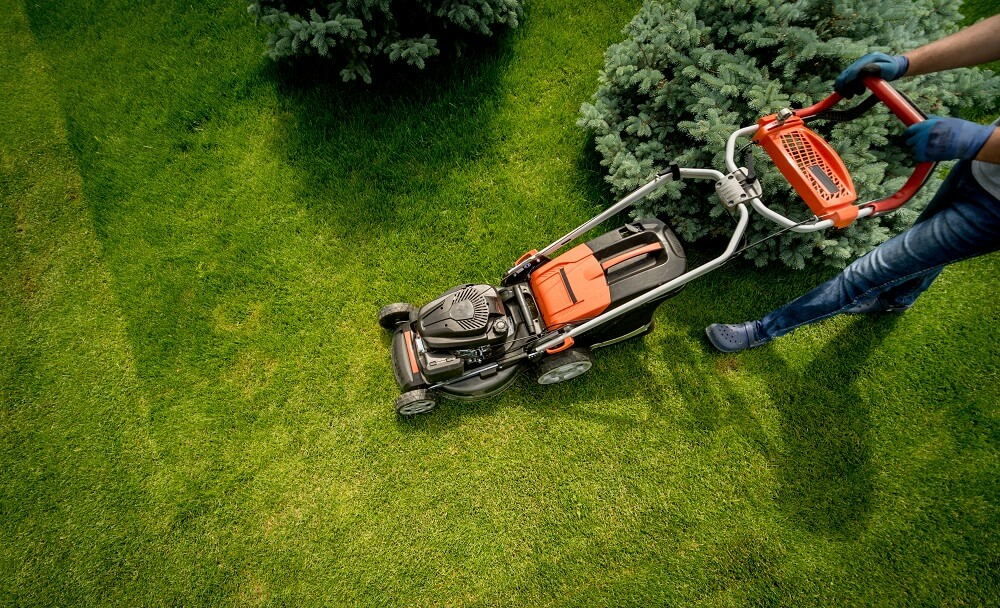
Set your mower height to about 7-8 cm (3 inches).
Taller grass shades the soil and crowds out moss.
Fertilize regularly
Healthy lawns resist moss naturally.
Apply lawn fertilizer in early spring and fall to support strong grass growth.
Aerate annually
Annual aeration prevents soil compaction and improves drainage.
Healthy soil encourages grass to outcompete moss.
When It's Time to Call a Professional
DIY moss removal works for light to moderate moss problems.
However, some lawns require more extensive work.
Consider professional help if:
- Your lawn is mostly moss instead of grass
- Moss returns every year despite treatments
- Drainage problems cause standing water
- Soil is extremely compacted or clay-heavy
Large moss problems often require a combination of dethatching, soil correction, drainage improvements, and overseeding.
Moss Problems? Dream Team Landscaping Can Help
Many homeowners across Campbell River, Comox Valley, Quadra Island, and Cortes Island deal with moss every spring.
Dream Team Landscaping helps local homeowners restore healthy lawns through:
- Moss treatment
- Lawn repair and overseeding
- Aeration and soil improvement
- Ongoing lawn maintenance
Our goal is simple: reliable service and lawns that stay healthy year after year.
If moss has taken over your lawn this season, we're happy to take a look and recommend a plan that works for your property.
SEO Title: Moss Control for Vancouver Island Lawns | Spring Guide
Meta Description: Learn why moss takes over Vancouver Island lawns and how to remove it this spring. Local tips on dethatching, lime, overseeding, and prevention for BC homeowners.
Primary Keyword: moss in lawn
Secondary Keywords: lawn moss removal, how to get rid of moss in lawn, moss control vancouver island, moss prevention lawn
Suggested Slug: moss-control-vancouver-island-spring-guide
READY TO TRANSFORM YOUR GARDEN?
Relates Articles
Real landscaping advice from our team—seasonal tips, project ideas, and maintenance wisdom earned over 30 years on Vancouver Island.