


Late-Summer Lawn Recovery on Vancouver Island: Dormant Grass, Bare Patches, and When to Reseed
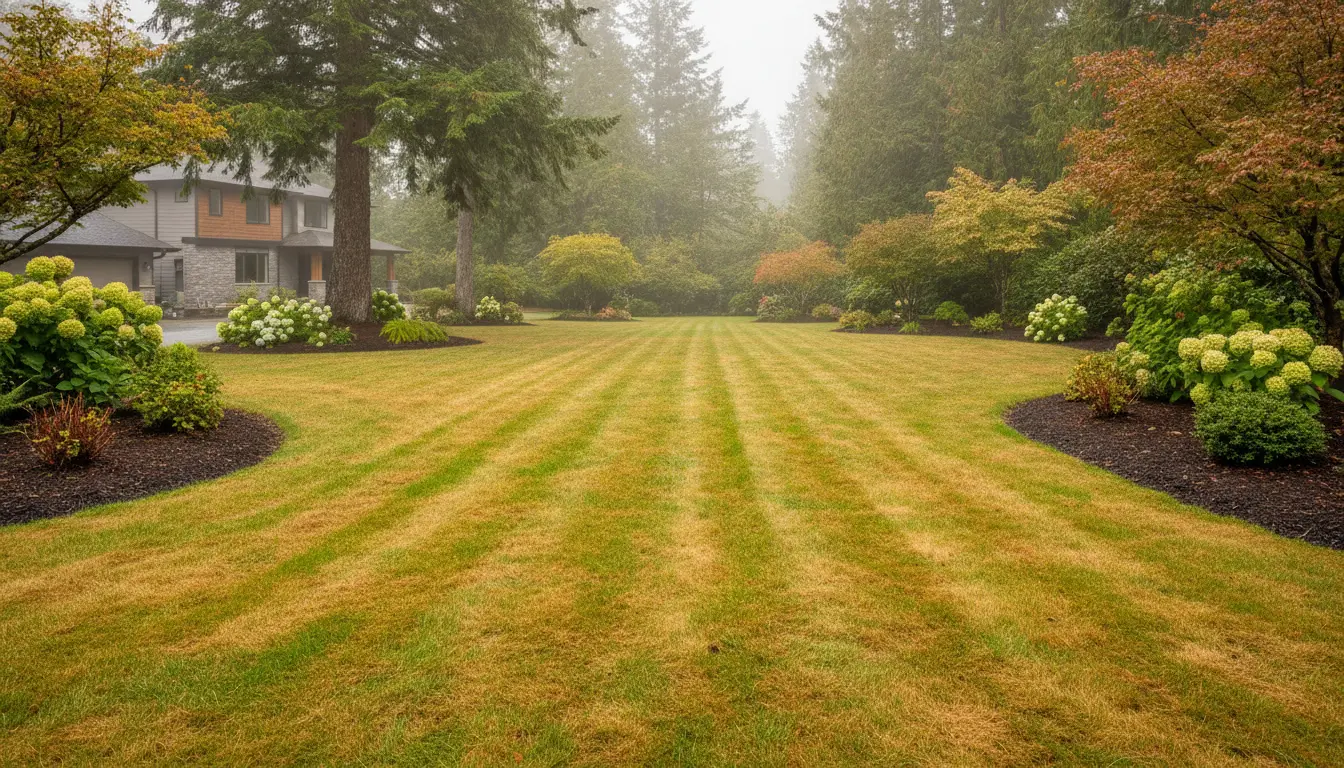
Brown grass in August does not always mean the lawn is dead. On Vancouver Island, late-summer lawns often look rough after dry spells, watering limits, heat, foot traffic, pets, weeds, or thin soil.
The mistake is guessing. Some lawns need patience. Some need repair. Some need a bigger reset when fall moisture returns.
Dream Team Landscaping helps homeowners read the lawn properly before spending money on water, seed, soil, or maintenance that may not fix the real issue.
First question: dormant or dead?
Dormant grass is stressed, but it can recover. Dead grass will not.
A simple pull test helps. Tug a small brown patch. If the grass resists and the crown near the soil still has life, it may be dormant. If it lifts out easily with no roots holding, the area may be dead or badly damaged.
Also compare patterns:
- Full-sun areas may brown first during dry weather
- Edges near driveways and paths may heat up faster
- Pet spots often form round patches
- Grub or disease damage may pull up like loose carpet
- Shade areas may stay green but grow moss or thin out
If the lawn has mixed symptoms, do not treat the whole yard the same way. Dream Team’s lawn care services can help identify what needs recovery and what needs repair.
Stop wasting water where water will not solve the problem
Water helps dormant grass recover only if the roots and soil can use it. If the soil is compacted, the thatch is thick, or the patch is actually dead, more watering may not change much.
Local rules matter too. The City of Campbell River’s water restrictions page explains that sprinkling restrictions apply to residential and commercial lawns and gardens. That makes late-summer lawn care a planning issue, not just a watering issue.
Before watering heavily, check:
- Soil moisture two to three inches down
- Whether water runs off instead of soaking in
- Whether brown areas match sun exposure
- Whether foot traffic has compacted the soil
- Whether weeds are outcompeting thin grass
If water beads, runs, or sits on top, the lawn may need soil work, aeration timing, or reseeding later instead of more sprinkler time now.
Bare patches need a cause before they need seed
Throwing seed on a bare patch can work, but only when the soil is ready and the cause has been fixed.
Common causes include:
- Pet urine
- Grub or insect damage
- Soil compaction
- Poor drainage
- Too much shade
- Repeated foot traffic
- Mowing too short during dry weather
- Thin topsoil or exposed roots
Late summer is a good time to diagnose. The repair window often improves as temperatures cool and moisture returns. Gardenworks’ fall lawn guidance says fall lawn care can be done from early September to late October and suggests waiting for a few days of rain before making major decisions, because dry lawns may green back up and show the true problem areas.
Dream Team’s article on when to aerate, dethatch, and overseed a lawn in BC goes deeper on timing. This article is about deciding what your lawn actually needs before booking the work.
Mow higher and avoid stressing the lawn further
A dry lawn cut too short has less leaf blade to support recovery. It also exposes the soil to more heat.
In late summer, avoid scalping. Keep the mower higher, remove only a modest amount at once, and avoid mowing during the hottest part of the day. If the lawn is barely growing, it may not need mowing as often.
A practical late-summer routine may include:
- Raising mowing height
- Keeping mower blades sharp
- Clearing heavy debris from thin areas
- Pulling large weeds before they set more seed
- Marking bare patches for fall repair
- Avoiding heavy traffic on stressed zones
For larger properties or busy homeowners, Dream Team’s landscape maintenance services can keep routine care steady without overworking a stressed lawn.
When to reseed, repair, or wait
Here is the plain answer: wait if the grass is dormant and likely to recover with cooler, wetter weather. Repair if the patch is dead, bare, compacted, or weed-filled. Plan a bigger reset if the same lawn fails every summer.
Reseeding may make sense when:
- Bare patches are confirmed dead
- Soil can be loosened and prepared
- Watering rules and weather allow seed to establish
- Foot traffic can be kept off the area
- The lawn has enough sun for grass to compete
Waiting may make sense when:
- The lawn is mostly dormant, not dead
- Rain is expected soon
- Water restrictions limit establishment
- Heat is still high
- You need to correct drainage or soil first
Dream Team serves both Campbell River and the Comox Valley, so the crew can look at lawn issues in the context of local weather, soil, shade, and maintenance demands.
For basic upkeep steps, Dream Team’s guide to simple lawn maintenance is a good support piece.
Get a lawn recovery plan instead of guessing
If your lawn has brown areas, bare patches, weeds, or thin growth after summer, get it assessed before spending money in the wrong place. Dream Team will help you decide whether the lawn needs patience, repair, reseeding, or ongoing maintenance.
Request a free lawn recovery estimate and book a site visit.
READY TO TRANSFORM YOUR GARDEN?
Relates Articles
Real landscaping advice from our team—seasonal tips, project ideas, and maintenance wisdom earned over 30 years on Vancouver Island.