How to Take Care of Lawn: 10-Minute Routine for Busy Homes

A healthy lawn doesn’t have to mean endless chores or constant callouts to contractors. With just 10 minutes a week, you can prevent most common lawn problems. In coastal British Columbia, where mild, wet winters are followed by dry summers, a focused weekly check can stop bare patches, fungal outbreaks, and irrigation leaks before they turn into costly issues. It’s a small habit that saves time especially when life gets busy.
If you’re wondering how to take care of your lawn without stress, this guide lays out a simple, region-smart plan: a 10-minute weekly routine, seasonal timing designed for coastal BC, eco-friendly soil and seed tips, plus a clear DIY vs. pro breakdown so you know what to handle yourself and when to call in expert help.
Key Takeaways
- Start a 10-minute weekly check. Scan for bare spots, small weeds, fungus signs, mower blade sharpness, and irrigation leaks. Fix quick issues—like spot-seeding, pulling weeds, or tightening sprinkler heads—so they don’t snowball into bigger problems.
- Tailor your care to coastal BC’s climate. Water deeply but infrequently in summer, plan fall aeration and overseeding, and watch for fungus during wet winters. Drainage improvements and avoiding evening watering help keep turf resilient.
- Balance DIY and pro help. Do your own mowing, watering, topdressing, and spot-seeding. Call professionals for core aeration, large overseeding, irrigation installs or repairs, and serious pest or disease outbreaks.
- Prioritize soil health with eco-friendly inputs. Test soil, use slow-release or organic fertilizers, topdress with compost, choose drought-tolerant blends like ryegrass plus fine fescues, and aerate to relieve compaction and boost nutrient uptake.
Why a 10-Minute Routine Works for Coastal BC Lawns
In Coastal BC, small weekly actions go further than big seasonal rescues. Each week, take ten minutes to:
- Scan for bare spots, weeds, fungus, dull mower blades, and irrigation leaks
- Mow at a height of 2.5–3.5 inches
- Water 1–1.5 inches per week during summer
- Feed lightly in spring and more heavily in fall
- Overseed in early fall for recovery and density
- Fix small issues immediately instead of putting them off
Consistent micro-actions build resilience. Summers here demand steady deep watering, winters bring a higher risk of Microdochium fungus, and fall is the prime recovery season. A quick weekly scan right after mowing ensures you stay ahead of problems before they spread.
The Busy-Home Advantage
For families on the go, this 10-minute habit is a lifesaver. Small checks prevent major issues like compaction, fungus, or irrigation failures. Something as minor as sharpening a mower blade or tightening a sprinkler head can stop costly repairs later.
Region-Smart Priorities
In coastal BC, watch for:
- Microdochium outbreaks in wet months
- Drought stress in summer
- Acidic soils that limit growth
- Salt or wind damage on exposed lots
Your priorities: clear dew in damp seasons, water deeply during heat, monitor soil pH, and plant wind-tolerant grass blends.
The 10-Minute Weekly Lawn Check
Do this right after mowing or in the early evening when grass is cooler. A tuna can makes the perfect gauge for watering when it collects about one inch, you’ve hit your weekly target. Torn grass tips? That’s a sign your mower blades need sharpening. Standing water? Time to address compaction. Even tightening a single sprinkler head can eliminate a brown streak in minutes.
Flag what you can’t fix on the spot for a weekend project—or call in a professional if the issue is bigger
Quick Scan Checklist
Each week, spend a few minutes scanning your lawn for early warning signs. Look for bare spots, brown arcs, slimy patches, torn grass tips, or blocked sprinkler heads.
Fix-It-Fast Actions
Most small issues can be handled on the spot:
- Spot-seed bare patches
- Pull small weeds before they spread
- Tighten loose sprinkler heads
- Flag bigger problems for weekend fixes or pro attention
Grab-and-Go Kit
Keep a small kit ready so you don’t waste time searching for tools. Essentials include:
- A tuna can for measuring water
- A pocket soil probe or screwdriver
- Pruners for quick trims
- A wrench for sprinkler adjustments
- A spare hose clamp for emergency repairs
Best Timing and Safety
Do your lawn check after mowing or in the early evening. Always wear hearing and eye protection when using equipment, and remember to shut off irrigation before working on sprinklers.
Mowing: Fast, Clean, and Healthy
Consistent mowing practices prevent stress and cut down on the need for extra visits.
- Set height: Keep grass between 2.5–3 inches in spring and fall, and raise it to 3–3.5 inches in summer. For coastal areas exposed to salt or wind, slightly higher cuts are best.
- Frequency: Mow as needed, not by the calendar. Growth slows in summer droughts but speeds up in spring and fall.
- Patterns: Change mowing direction weekly to avoid compaction lines.
- Blade care: Sharpen mower blades every 20–25 hours of use to prevent tearing grass.
- Grasscycling: Leave clippings on the lawn to return nutrients and reduce fertilizer needs by about 25%.
Golden rule: never cut more than one-third of the grass blade at once.

Smart Watering for Dry Summers
Water less often, but more deeply. Aim for 1–1.5 inches of water per week, delivered in two to three early-morning sessions. On slopes, use the cycle-soak method to reduce runoff. Upgrading to matched-precipitation rotators improves water distribution and reduces waste. Add a rain sensor or smart timer so you’re not watering in the rain.
- Coastal BC timing: Water two to three mornings per week in summer until soil is moist 5–7 cm deep. Skip if soil is already damp.
- Water-saving tactics: Upgrade nozzles, group irrigation zones by sun exposure, and install a rain sensor.
- Weekly irrigation audit: Place a tuna can in one zone, run sprinklers, and check for broken heads, dry arcs, or pooling water.
Soil-First Lawn Care
Healthy soil is the foundation of a healthy lawn.
- Test and treat: Check pH, organic matter, and compaction every 2–3 years. Apply lime only if pH is below 6, and avoid heavy nitrogen before wet winters.
- Topdressing: Spread a light quarter-inch layer of compost after aeration to improve moisture retention and soil structure.
- Aeration: Relieve compaction in high-traffic areas during spring or fall. Follow with overseeding for best results.
Overseeding and Grass Choices That Thrive Here
The right seed mix makes all the difference in coastal BC.
- Best blends: Perennial ryegrass with fine fescues for general use; turf-type tall fescue for salt tolerance and heavy wear; a small percentage of microclover for natural fertility.
- When to overseed: Early fall is the best time for overseeding, with spring as a backup option.
- Quick fix for bare patches: Loosen soil, spread seed and a dusting of compost, then press and water daily until germination.
- Edge care: Overseed along sidewalks and driveways regularly to prevent thinning in high-traffic spots.
Weed, Pest, and Fungus Management
Catching issues early is the easiest way to keep your lawn healthy.
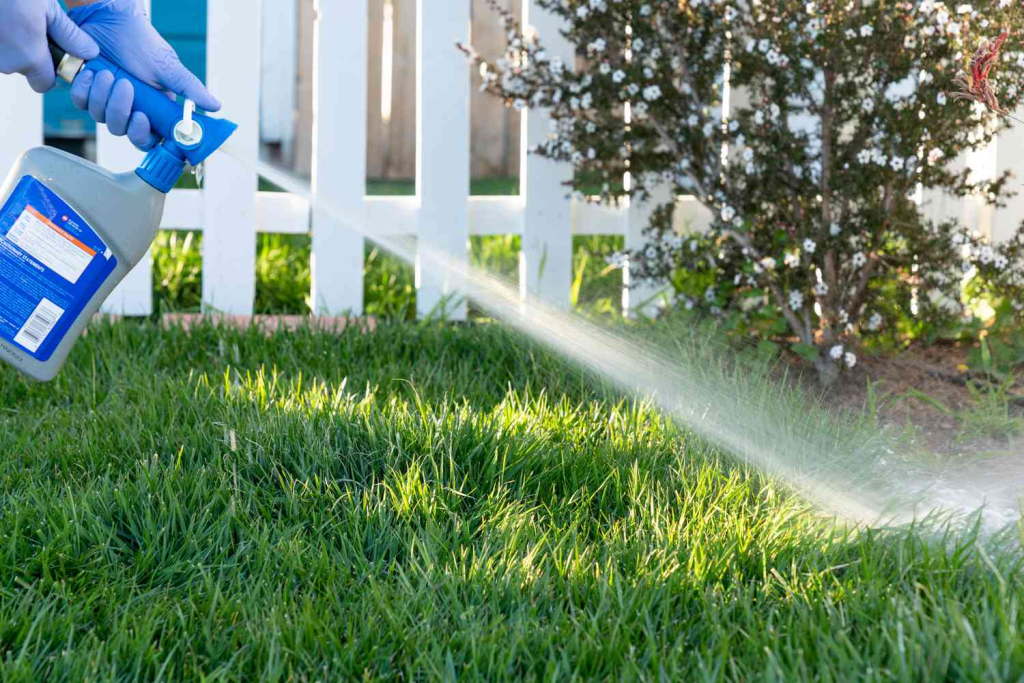
- Weeds: Identify and pull small infestations quickly, or spot-treat if necessary. Mulching borders can also block weed seeds from spreading into your lawn.
- Fungus: Dew removal in wet months lowers the risk of Microdochium outbreaks.
- Keeping thatch low and soil pH balanced also reduces fungal pressure.
- Pests: Watch for signs of chafer beetles or grubs in mid-to-late summer, like birds digging or patchy turf. If confirmed, time beneficial nematode treatments for late July to August.
Wet-Winter Fungus Prevention
Coastal BC’s wet winters create ideal conditions for lawn fungus, but prevention is straightforward. Remove dew regularly, improve airflow through light pruning or thinning, and avoid heavy nitrogen applications in late fall. Fungicides are rarely necessary if cultural practices are in place.
Seasonal Mini-Calendar for Coastal BC
- Spring: Apply a light feeding, repair bare spots, and spot-aerate high-traffic paths.
- Summer: Water deeply but infrequently, raise mowing height, and monitor irrigation efficiency.
- Fall: Schedule core aeration and overseeding, and apply your main round of fertilizer.
- Winter: Clear debris, manage drainage, and remove dew. Avoid evening irrigation to limit disease risk.
Time-Saving Tools and Hacks
Busy homeowners can save hours by using the right tools and habits:
- Smart timers to cut water use automatically
- Battery-powered trimmers for faster edging
- Monthly “batching” of seed and compost tasks
- Pairing mowing with a quick edge and weed sweep to stay efficient
Hybrid DIY vs. Pro Plan
The smartest approach combines weekly DIY habits with professional support for bigger tasks.
- DIY tasks: weekly checks, mowing, spot seeding, and small sprinkler adjustments.
- Pro tasks: core aeration, full overseeding, irrigation redesign or major repairs, drainage improvements, and persistent pest or fungus issues.
Call a professional when more than 20% of turf is thinning, standing water doesn’t drain, or grub outbreaks persist despite cultural fixes. Always verify WorkSafeBC coverage, liability insurance, and request a written scope of work to avoid hidden charges.
Quick-Reference Cheat Sheets
Keep these essentials handy:
- Weekly 10-minute scan steps
- Mowing heights by season
- Watering amounts and timing
- Overseeding and aeration checklist
Local Constraints and Edge Cases
- Use cycle-soak on slopes to reduce runoff
- Test pH before applying lime
- Rinse salt off turf after seaside storms
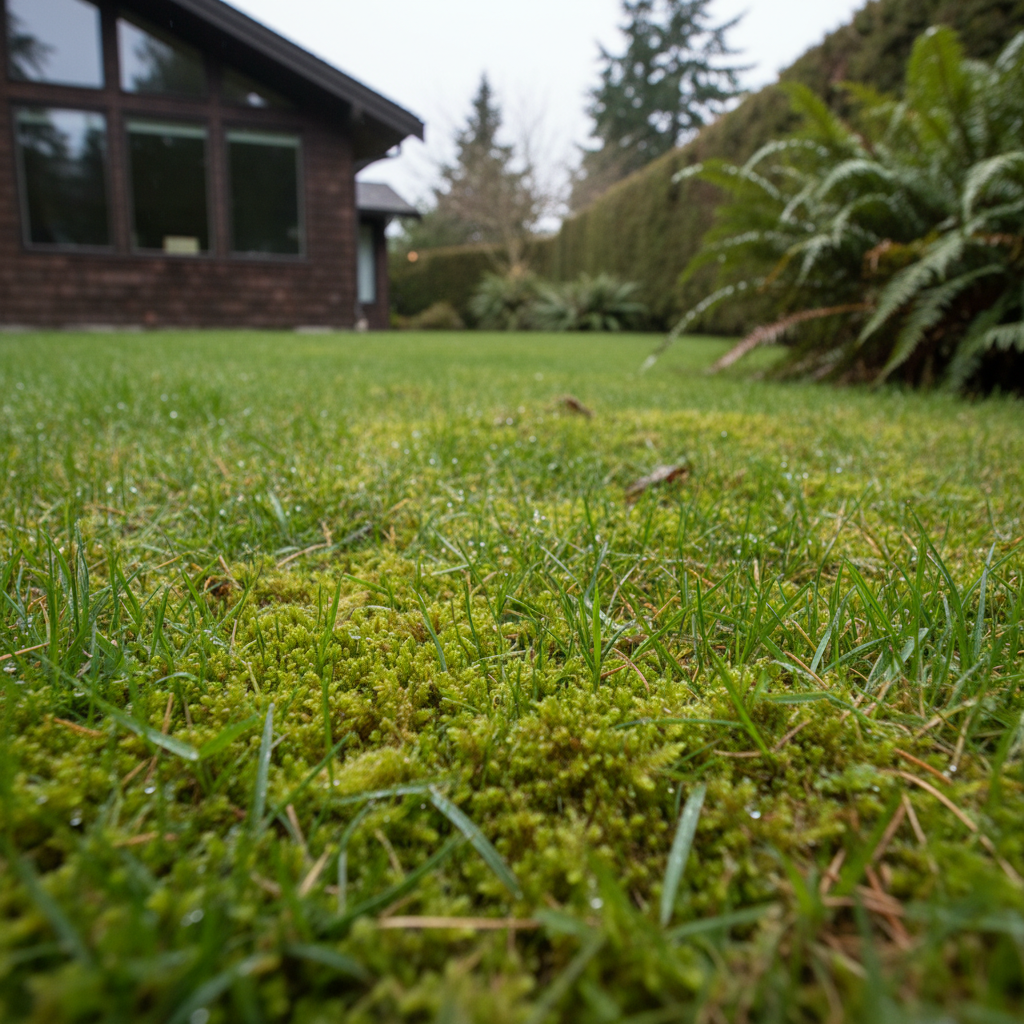
- Plan for moss and thinning in deep-shade areas where grass struggles
Pro Secrets Busy Homeowners Can Use Now
- Remove dew weekly to reduce Microdochium risk
- Micro-overseed edges monthly to prevent thinning
- Use cycle-soak on slopes to stop runoff
- Calibrate irrigation with a tuna can for even coverage
- Raise mower height in summer for drought resilience
- Sharpen blades often to avoid tearing grass
- Never lime without a soil test
- Apply light, frequent compost dustings instead of rare heavy layers
- Install efficient rotator nozzles for better coverage and less waste
- Schedule fall aeration early for the best results
FAQs
How often should I water my lawn in coastal BC?
Water 1–1.5 inches per week in summer, delivered in two to three early-morning sessions. Use a tuna can to measure, and skip watering if the top 5–7 cm is already moist.
What height should I mow for best health?
Aim for 2.5–3 inches in spring and fall, and 3–3.5 inches in summer. Never cut more than one-third of the blade at once.
When is the best time to aerate and overseed in Campbell River or the Comox Valley?
Early fall is ideal, though spring aeration helps with high-traffic recovery.
How can I prevent lawn fungus during wet winters?
Remove dew, improve airflow, avoid heavy nitrogen late in the season, and address soil compaction. Reserve fungicides as a last resort.
When You Need Backup
If your lawn needs more than quick DIY fixes whether it’s core aeration, overseeding, irrigation repair, or drainage improvements—bring in licensed and insured local crews who provide transparent pricing and stick to on-time schedules.
Or start small: commit to just one 10-minute scan this week and see how much difference it makes for your lawn’s health
Ready to Take the Next Step?
You don’t need hours of work to keep your lawn thriving just the right mix of consistent weekly care and professional backup when it matters most. Dream Team Landscaping makes it simple with eco-friendly solutions, seasonal expertise, and transparent pricing tailored for coastal BC.
READY TO TRANSFORM YOUR GARDEN?
Relates Articles
Real landscaping advice from our team—seasonal tips, project ideas, and maintenance wisdom earned over 30 years on Vancouver Island.