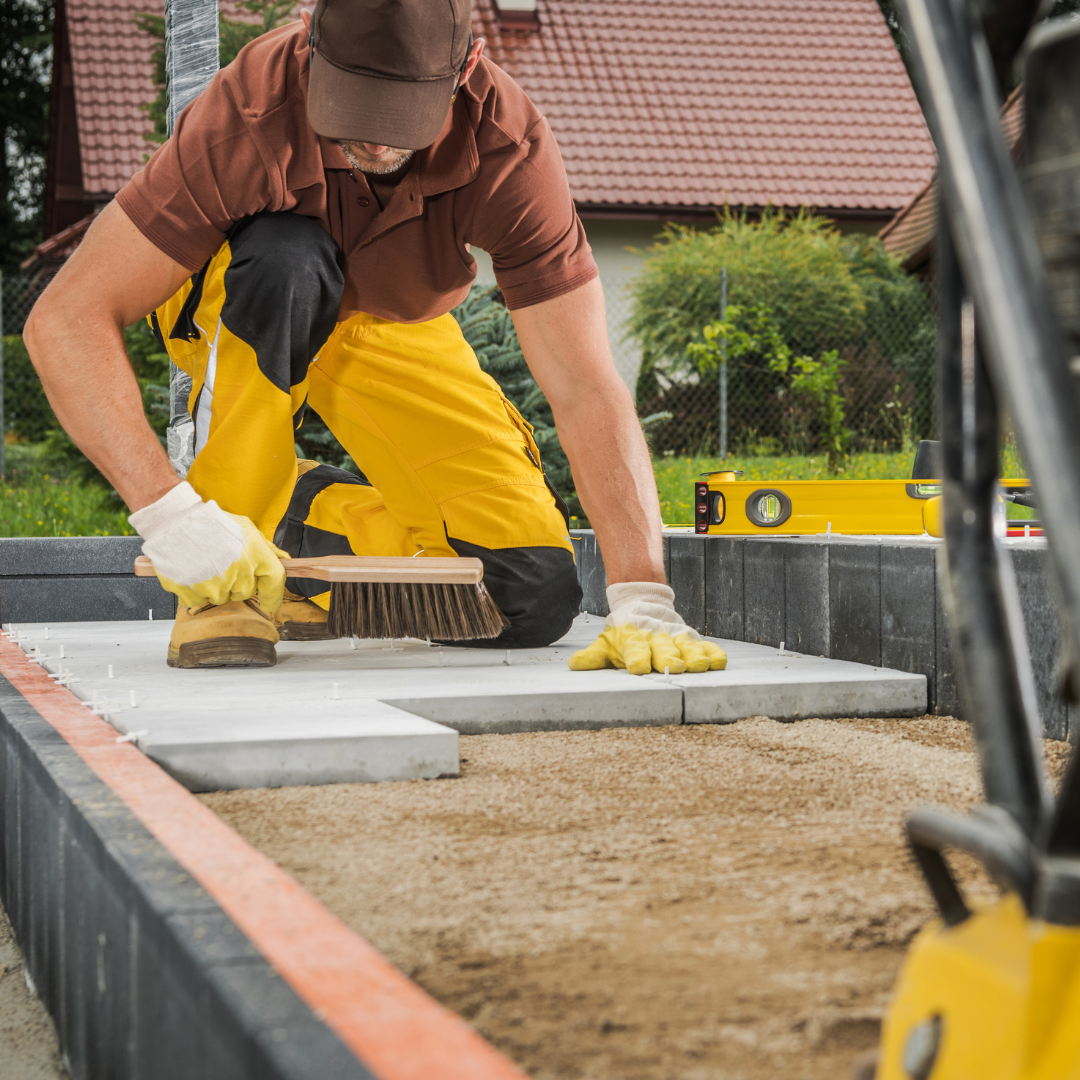
ConcretePatio Installation in Campbell River & Comox Valley: Cost, Timeline &Design Ideas
.png)
If you’re planning a backyard concrete patio on Vancouver Island,you’re probably weighing the same questions most homeowners ask: What will itcost? How long will it take? Which finish makes sense for my property? And howdo I avoid drainage and cracking problems in a wet climate?
Those are the right questions.
In Campbell River and the Comox Valley, patio installation is notjust about appearance. It’s about building something that handles steady rain,freeze-thaw cycles, and shifting ground over time. A patio can look great onday one and still fail early if the base, slope, and concrete mix are wrong forlocal conditions.
This guide breaks down the essentials in plain language: climatefit, design options, size planning, concrete patio cost ranges, installtimeline, upkeep, and how to choose the right contractor.
If you want project-specific guidance, start with Dream TeamLandscaping’s concreteservicesand then requesta free estimate.
Why ConcretePatios Work in Vancouver Island Conditions
Awell-built concrete patio performs well in Campbell River and Comox Valleybecause it can be engineered for moisture and temperature swings. The keywordis well-built.
Local climaterealities that affect patio performance
· Long wet stretches in fall andwinter
· Heavy seasonal rainfall thattests drainage
· Freeze-thaw events that stressweak slabs
· Organic and mixed soils thatcan settle unevenly
Concreteis a practical choice here because it is durable, low maintenance compared withwood, and flexible in finish options. But it only works long term when thebuild sequence is done correctly.
What matters most inthis region
1)Base prep depth and compaction
The base layer carries the slab. If it is underbuilt or poorly compacted,movement starts early.
2)Drainage slope
A patio needs controlled fall away from the home, typically around 1/8” to 1/4”per foot depending on layout and site factors.
3)Proper joint planning
Control joints help direct shrinkage cracks and keep the slab looking clean.
4)Reinforcement and mix specification
For local weather, mix design and reinforcement choices should match intendeduse, size, and exposure.
5)Edge support and transitions
Patio edges, steps, and links to lawns or walkways need stable detail work toreduce washout and undermining.
Concreteis not a one-size-fits-all install. Site assessment matters first. If the patioties into broader yard upgrades, it helps to plan with a full landscapedesign and installation approach sograding, access, and materials all work together.
Concrete PatioDesign Options: Stamped, Exposed Aggregate, Coloured, and Plain
Homeownersoften start with style, but the best design choice balances three things: look,traction, and maintenance.
1) Plain broom-finishconcrete
A broomfinish gives a clean, practical surface with good grip in wet weather. It isusually the most budget-friendly finish and works well for:
· Functional family patios
· Side-yard seating zones
· Homes where simple lines suitthe architecture
Pros: lowerupfront cost, solid traction, easy upkeep.
Considerations: simpler appearance than decorative options.
2) Exposed aggregate concrete
Exposedaggregate reveals the stone in the top layer for texture and visual depth. Itis popular across Vancouver Island because it handles wet conditions well anddisguises minor dirt between cleanings.
Pros: slipresistance, strong visual character, durable surface.
Considerations: higher installation cost than plain finish; repairs needcolour/texture matching.
3) Stamped concrete
Stamped concrete canmimic stone, tile, or paver patterns. It gives a decorative look withoutsetting individual units.
Pros: broad designvariety, upscale appearance, pattern flexibility.
Considerations: requires careful installation and sealing; wet traction dependson pattern and sealer selection.
4) Coloured concrete
Integral colour orsurface hardeners can shift the slab tone to match home features and landscapematerials.
Pros: custom look,better visual integration with house and yard.
Considerations: colour consistency needs skilled batch and finishing control;sealing schedule matters.
Choosing a finish foryour property
Whendeciding, ask:
· Is this a high-traffic familyarea?
· Do we host often and want afeature patio?
· Is barefoot comfort importantin summer sun?
· How much routine maintenance dowe want?
· How visible is this patio fromthe street or main living space?
Ifyou are comparing finishes with nearby pathways, this concretepathways guidehelps align style and function across the yard.
Size and LayoutPlanning for a Backyard Concrete Patio
Manypatios fail functionally before they fail structurally. They are too small,awkwardly shaped, or not aligned with how the household actually uses outdoorspace.
Start with use, notjust dimensions
Beforechoosing a final size, define the patio’s main jobs:
· Daily outdoor dining
· Weekend hosting
· Lounging and fire table use
· Hot tub or outdoor kitchensupport
· Transition space from door tolawn/garden
Practical size ranges(rule-of-thumb)
Theseare planning ranges, not fixed rules:
· Small seating patio: ~120–180 sq ft
· Dining-focused patio: ~180–280 sq ft
· Multi-zone family patio: ~300–500+ sq ft
A 10’x 10’ slab may fit two chairs, but it can feel tight once pathways andfurniture clearances are added. Most homeowners are happier when they plancirculation space early.
Layout detailsthat improve long-term results
Door alignment and travel paths
Keep natural walking lines open between doors, driveway, lawn, and side yard.
Sun and shade pattern
Track afternoon sun exposure before locking in the shape.
Drainage direction
Water should move away from foundations and not pond at steps or thresholds.
Elevation and step planning
A clean transition from house to patio avoids trip points and splashbackagainst siding.
Future additions
Plan now if you may add pergola posts, lighting conduit, planters, or adjacenthardscape later.
Materialcoordination also helps the patio blend with retaining features, borders, andsoftscape. This local landscapingmaterials guide for Campbell Riveris useful when matching concrete with gravel, stone, or planting zones.
Concrete PatioCost in Campbell River & Comox Valley (Per Sq Ft)
Let’sget to the big question: concrete patio cost.
Costson Vancouver Island vary based on site access, excavation needs, finish type,slab thickness, reinforcement, drainage corrections, and job size. Smallerpatios often have a higher per-square-foot rate because setup and mobilizationare spread across less area.
Typicalinstalled cost ranges (2026 local context)
Theseare broad planning ranges for professionally installed patios in Campbell Riverand the Comox Valley:
· Plain broom-finish concrete: about $16–$24 per sq ft
· Exposed aggregate: about $20–$30 per sq ft
· Coloured concrete: about $20–$32 per sq ft
· Stamped concrete: about $22–$36+ per sq ft
Forrough budget planning:
· 200 sq ft patio: roughly $3,200 to $7,200+
· 300 sq ft patio: roughly $4,800 to $10,800+
· 400 sq ft patio: roughly $6,400 to $14,400+
Theseranges are estimates, not quotes. Actual pricing depends on site conditions andscope.
What pushes costs up or down
Siteaccess
Tight gates, slopes, or long haul distances increase labour time.
Excavationcomplexity
Root removal, soft subgrade, or old patio/demo work adds prep.
Basedepth requirements
Poor soils or heavier intended use can require stronger base builds.
Finishchoice
Decorative finishes take more labour, tooling, and detail work.
Edgedetails and steps
Curves, borders, seat walls, and elevation changes increase scope.
Drainagecorrections
Adding swales, catch basins, or grade adjustments can be essential in rainyzones.
How to compare quotesproperly
A lowernumber can hide missing scope. Ask every contractor for clarity on:
· Excavation depth and basespecification
· Compaction method
· Concrete thickness andreinforcement
· Drainage slope plan
· Joint spacing and finishingdetails
· Cleanup and restoration scope
· Warranty terms and exclusions
When you request afree estimate, ask fora detailed scope line-by-line so you can compare apples to apples.
PatioInstallation Timeline: From Site Prep to Full Cure
OnVancouver Island, weather and crew scheduling both affect timing. Spring andearly summer fill up quickly, so lead time matters.
Typical projecttimeline (single-family home patio)
1) Site visit and quote: 2–7 days
Assessment, measurements, drainage review, and finish discussion.
2) Scheduling lead time: 1–6+ weeks (seasonal)
Peak season can be longer in Campbell River and Comox Valley.
3) Excavation and base prep: 1–2 days
Includes dig-out, base placement, and compaction.
4) Forming and reinforcement: 1 day
Final elevations, slope verification, and steel/fibre setup as specified.
5) Pour and finish: 1 day
Placement, screeding, edging, jointing, and selected finish work.
6) Initial set and protection: 24–48 hours
Light foot traffic timing varies by weather and mix.
7) Cure period: ongoing (critical first 7 days, full strength around28 days)
Avoid early heavy loads; follow contractor guidance before placing hot tubs,heavy planters, or structures.
Weather and localtiming realities
Raindelays are common in shoulder seasons. Temperature swings can also affectfinishing windows. Good contractors build schedule buffers and communicateshifts early rather than rushing a pour in poor conditions.
Ifyour patio is part of spring yard upgrades, this springlandscaping checklist canhelp you stage work in the right order.
Maintenance andSealing: Protecting Your Concrete Patio Investment
Concretepatios are lower maintenance than many alternatives, but they are notmaintenance-free. A simple routine helps appearance and durability.
Core maintenance plan
Sweep and rinseregularly
Remove grit and organic buildup before it stains or traps moisture.
Wash seasonally
Use mild cleaners and avoid aggressive pressure settings that can damagesurface paste.
Inspect yearly
Check joints, edges, and drainage flow. Address minor issues early.
Manage de-icingproducts carefully
Use products approved for concrete and apply sparingly.
Sealing guidance
Not every patio needsthe same sealer schedule. It depends on finish type, exposure, and wear.
General rule-of-thumb:
· Decorative finishes(stamped/coloured/aggregate) often benefit from periodic resealing
· Reseal interval is commonlyevery 2–4 years, based on wear and product specs
Signs it may be time toreseal:
· Duller colour or finish
· Water no longer beads asexpected
· Increased stain pickup
· Patchy appearance in high-usezones
A proper maintenanceplan preserves looks and helps reduce early surface wear.
Hiring the RightContractor for Concrete Patio Installation
Patioperformance depends more on workmanship and planning than on sales promises.
What to look for
· Local experience with CampbellRiver and Comox Valley sites
· Clear, detailed scope andpricing
· Strong base prep and drainagemethodology
· Documented process for joints,curing, and protection
· Realistic schedulecommunication
· Willingness to explaintrade-offs clearly
Questions worthasking before you sign
1. How do you assess and handlefrost heave risk on my property?
2. What slope and drainageapproach will you use for this layout?
3. What base depth and compactionprocess do you specify?
4. Which reinforcement andconcrete thickness are included?
5. What curing and aftercareinstructions do you provide?
6. What is covered under warranty,and for how long?
Astraightforward contractor should answer these without hesitation.
Ifyou’re ready to price your project with full scope clarity, geta detailed quotefrom Dream Team Landscaping.
FAQ: ConcretePatio Installation in Campbell River & Comox Valley
1) How much doesa concrete patio cost per square foot in Campbell River?
Formost residential projects, budget roughly $16–$36+ per sq ft depending onfinish, access, prep complexity, and drainage needs. Plain finishes are usuallylower; decorative stamped or coloured work is usually higher.
2) How long doespatio installation take from start to finish?
On-sitework is often 3–5 working days for a typical patio, plus scheduling lead timeand weather delays. Full concrete cure continues over about 28 days, withlimited early-use guidance from your installer.
3) Is concrete agood choice for Vancouver Island rain?
Yes,if grading, base prep, and slope are done correctly. Most problems blamed onconcrete are actually drainage or preparation issues.
4) Willfreeze-thaw cycles crack my patio?
Allconcrete can develop minor cracking over time, but good base compaction,control joints, proper mix, and moisture management significantly reduceproblem cracking and movement.
5) What finishis best for a backyard concrete patio?
Itdepends on your priorities. Broom finish is practical and cost-effective.Exposed aggregate offers traction and texture. Stamped and coloured finishesprovide a more decorative look with additional maintenance considerations.
Final Takeaway
A concrete patio can beone of the most practical and valuable outdoor upgrades for Campbell River andComox Valley homes, but only when it is designed and built for localconditions.
Start with the right plan:correct size, proper slope, stable base, and finish choice that suits yourlifestyle and maintenance preference. Then choose a contractor who gives clearscope, realistic timelines, and accountable workmanship.
When you’re ready to moveahead, book a site visit andrequest a free estimate. Dream Team Landscaping will walk your property, explain youroptions, and provide a detailed quote you can trust.
READY TO TRANSFORM YOUR GARDEN?
Relates Articles
Real landscaping advice from our team—seasonal tips, project ideas, and maintenance wisdom earned over 30 years on Vancouver Island.