


Commercial Landscape Maintenance Checklist for Campbell River Properties
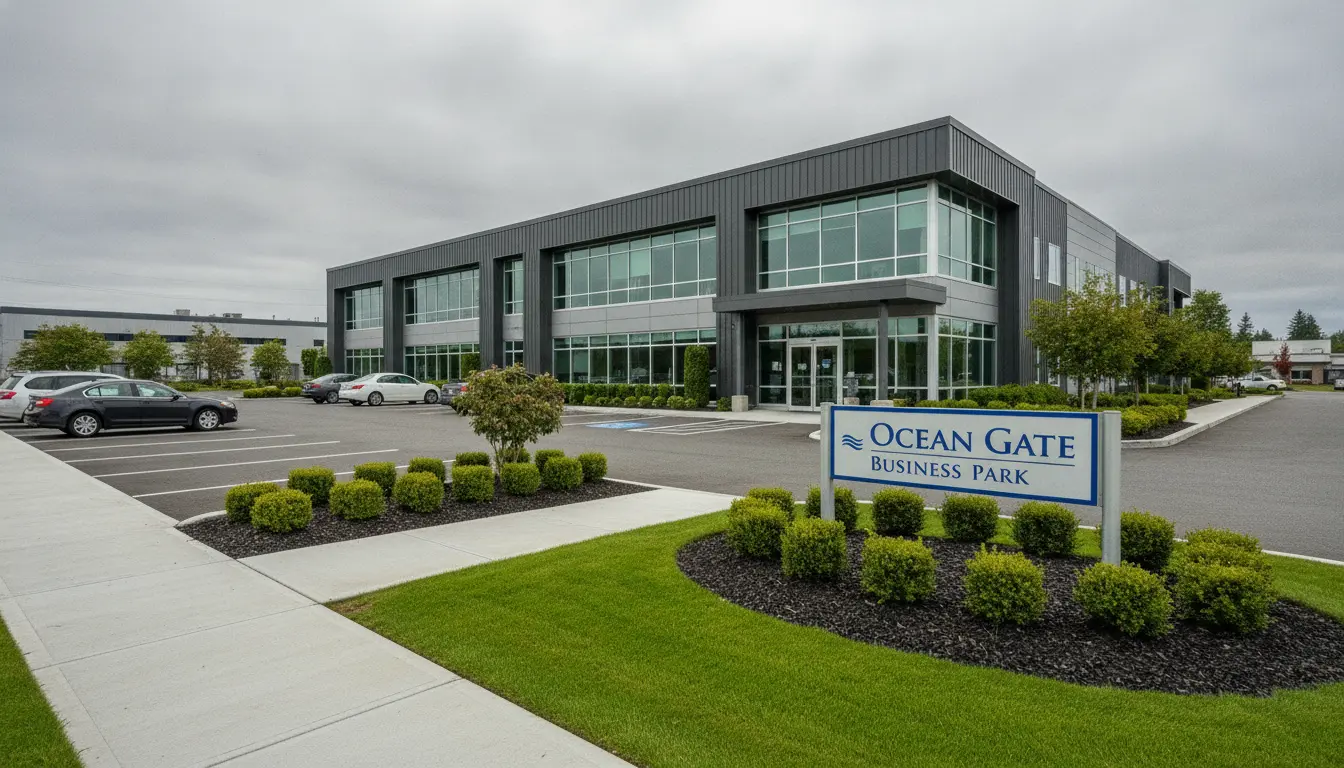
A commercial property does not get many second chances at the curb. Tenants, customers, staff, delivery drivers, and inspectors notice overgrown edges, mossy walkways, blocked sightlines, and neglected entrances before they notice the sign on the building.
Commercial landscape maintenance works best when it is planned as a routine, not handled after the property already looks tired. For Campbell River businesses, strata sites, offices, retail plazas, and industrial yards, that routine should match foot traffic, drainage, safety needs, and the season.
Weekly and biweekly tasks that keep the site presentable
Most commercial sites need a basic service rhythm during active growing months. The exact frequency depends on lawn area, irrigation, shade, use, and how visible the frontage is from the road.
A weekly or biweekly visit should usually include:
- Lawn mowing at a height that fits the season
- Line trimming around curbs, fences, signs, and posts
- Edging along sidewalks, parking areas, and entrances
- Blowing clippings from walkways and hard surfaces
- Removing small debris before it collects
- Checking obvious trip hazards, low branches, and blocked access points
This is where many properties fall behind. A mow-only visit may leave weeds around signposts, grass in cracks, and debris near entrances. Over time, the site still looks neglected even if the lawn was cut.
For high-traffic sites, commercial landscape maintenance should include a clear scope so the crew, manager, and owner know what is included on each visit.
Lawn care standards for commercial frontage
Commercial lawns get different wear than backyards. People cut corners across grass, delivery carts roll over edges, pets use frontage strips, and irrigation may not hit every area evenly. A clean lawn plan has to account for that use.
Good lawn care for a Campbell River commercial site should cover mowing frequency, edging, seasonal growth changes, and problem areas such as compacted soil or moss. If a site faces north or sits near tall trees, moss pressure can build fast in damp months.
Keep the standard practical. A perfect golf-course look is not realistic for every property. The goal is a tidy, safe, well-kept site that does not make tenants or customers wonder who is responsible for it.
For strata and property managers, photos after visits can also help. They create a simple record of completed work and make it easier to catch small problems before they become tenant complaints.
Seasonal cleanup before weather creates bigger issues
Campbell River properties need different maintenance in March than they do in July or November. Spring growth can hide drainage problems. Summer dryness can stress turf and beds. Fall leaves can block drains, cover curbs, and make walkways slippery.
WorkSafeBC warns that slips, trips, and falls can be caused by water, ice, poor traction, cluttered walkways, poor lighting, and uneven surfaces. Their slips, trips, and falls guidance is written for workplace safety, but the same risks show up at commercial entrances, parking lots, and shared paths.
Seasonal maintenance should include:
- Spring debris removal and first cuts
- Bed cleanup before weeds seed heavily
- Summer trimming around signs and sightlines
- Fall leaf and branch removal
- Drain and curb checks before heavy rain
- Winter storm cleanup planning where needed
A property on a slope or near large trees may need more frequent fall visits than a small storefront with limited planting. The quote should reflect that, not force every site into the same schedule.
Shrubs, sightlines, and access points
Shrubs are not just a design issue on commercial properties. They affect safety, visibility, and access. Overgrown planting can block signs, hide lighting, crowd walkways, scrape vehicles, or reduce visibility at entrances and exits.
A maintenance checklist should include routine shrub checks at:
- Driveway entries
- Loading zones
- Building entrances
- Parking lot corners
- Sign bases
- Windows and exterior lighting
- Fire lanes and service doors
The work does not need to be aggressive. In many cases, steady pruning two or three times per year keeps growth under control without making the property look bare.
If the site has hedges or dense screening, the manager should know whether the goal is privacy, safety, visibility, or all three. That changes how the plants should be cut and how often the crew should return.
What should be in a commercial maintenance quote
A clear quote saves both sides time. It should name the service areas, visit frequency, seasonal items, exclusions, and how extra work is approved. Vague maintenance quotes lead to arguments later.
Before approving a quote, check for:
- Property areas included and excluded
- Weekly, biweekly, monthly, or seasonal schedule
- Lawn, trimming, edging, pruning, and cleanup details
- Debris hauling terms
- Storm or one-time cleanup pricing
- Communication process for added work
- Start date and expected service window
For Campbell River properties, local scheduling matters. Weather, ferry traffic for nearby islands, and seasonal demand can all affect timing. A good crew explains that upfront and builds a plan the property manager can rely on.
If your commercial site needs steady upkeep, request a free estimate from Dream Team Landscaping. You will get a detailed quote, a practical schedule, and a maintenance scope built around how the property is used.
READY TO TRANSFORM YOUR GARDEN?
Relates Articles
Real landscaping advice from our team—seasonal tips, project ideas, and maintenance wisdom earned over 30 years on Vancouver Island.